Which succulents survive a UK winter outdoors
27th Sep 2026 | Daniel Jackson | Cactus | 5 mins
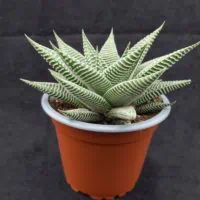
Several succulents cope perfectly well with a UK winter left outside, provided they’re chosen for hardiness rather than looks alone. Sempervivums, hardy sedums, and certain agaves are the most reliable performers, often shrugging off temperatures well below freezing.
The Best Cold-Hardy Succulents for Outdoor UK Gardens
Sempervivum, commonly known as houseleeks, are the gold standard for outdoor succulents in Britain. They’re rated H7 on the RHS hardiness scale, meaning they’ll tolerate temperatures colder than minus 20°C without any winter protection at all, as long as excess water can drain away from the roots.
Hardy sedums and certain agave varieties, such as Agave parryi, are close behind. Agave parryi copes with cold snaps that would kill a typical houseplant succulent, while low-growing sedums like Sedum spurium spread into dense, frost-tolerant mats that work well in borders or gravel gardens. Opuntia (prickly pear) cacti are also worth considering; some varieties tolerate minus 20°C outdoors provided their roots stay dry.
Looking for Cacti Inspiration? Check Out Our Award Winning Cacti Collections

How Cold Can a Succulent Get Before It’s at Risk?
The honest answer depends far more on drainage than on the thermometer. Winter wet, not cold itself, is what kills most outdoor succulents in the UK, because saturated compost around the roots freezes and rots the plant from the base up.
Genuinely hardy varieties like Sempervivum can survive well below minus 15°C if planted in sharp, gritty soil that drains quickly after rain. Tender succulents such as echeveria or black aeonium, by contrast, can suffer damage at just a few degrees below freezing and are better moved under cover or into a greenhouse for winter.
Cold Hardiness at a Glance
| Succulent | RHS Hardiness Rating | Approximate Minimum Temperature |
|---|---|---|
| Sempervivum (houseleek) | H7 | Below -20°C |
| Sedum spurium | H6 | -20°C |
| Agave parryi | H5 to H6 | -15°C to -20°C |
| Opuntia humifusa | H6 to H7 | -20°C (roots must stay dry) |
| Echeveria | H1c to H2 | 1°C to 5°C (needs protection) |
Protecting Succulents Through a British Winter
Even hardy succulents benefit from a little help during the coldest months. A raised bed with fifty to seventy per cent horticultural grit mixed into the soil dramatically improves drainage and gives borderline-hardy species a much better chance of survival.
Positioning matters too. A south-facing spot against a wall, or a rockery that sheds rainwater naturally, will keep roots drier than a low-lying border that collects puddles after heavy rain. According to the Met Office, knowing your local frost patterns helps gardeners decide which plants can realistically stay outside all year.
Soil and Container Guidance by Hardiness Rating
| Hardiness Rating | Typical Minimum Temp | Recommended Winter Care |
|---|---|---|
| H7 | Below -20°C | None needed; plant in gritty, free-draining soil |
| H5 to H6 | -15°C to -20°C | Raised bed or pot with sharp drainage |
| H3 to H4 | -5°C to -10°C | Move against a sheltered wall; cover roots in heavy rain |
| H1c to H2 | 1°C to 5°C | Bring indoors or into an unheated greenhouse |
For further detail on hardiness ratings and how they’re worked out, the RHS growing guide for hardy cacti and succulents is a genuinely useful reference for choosing the right species for a UK garden.
Looking for Unique Cacti? Check Out Our Stunning Cacti Collections

Which Succulents Survive a UK Winter Outdoors: The Bottom Line
Choosing succulents that survive a UK winter outdoors comes down to two things: picking the right species and getting the drainage right. Sempervivums and hardy sedums are the safest starting point for almost any UK garden, since they’re forgiving of both cold and the occasional gardening mistake.
Agave and Opuntia varieties can extend the range of what’s possible, particularly in drier, more sheltered spots, but they’re less forgiving of waterlogged soil over winter. Tender succulents such as echeveria and aeonium simply aren’t built for a British winter and are best treated as container plants that come indoors when the temperature drops.
Getting this balance right means fewer losses each spring and a garden that keeps its structure and colour through the coldest months. In summary:
- Sempervivum and hardy sedum are the most reliably frost-proof choices for UK gardens, tolerating temperatures below -20°C.
- Drainage matters more than cold tolerance; gritty, free-draining soil prevents the winter wet that kills most outdoor succulents.
- Tender varieties like echeveria and aeonium should be moved under cover rather than left outside through winter.
Our Most Popular Succulents
-

Ottershaw Cacti Succulent Fertiliser – Everything succulents need to flourish
£7.50Ottershaw Cacti Succulent Fertiliser - Give your plants everything they need to flourish.
Buy Now -
Aeonium ‘Jubilee’ – Award Winning Succulent Plant
£10.00Launched May 2022 at RHS Chelsea Flower Show. This lollipop-shaped plant with glorious copper...
Buy Now -
Aeonium Arboreum ‘Luteovariegatum’- Tall Succulent AKA ‘Variegatum’
£10.00Awarded AGM. Variegated tall upright, freely branching Aeonium.
Buy Now -
Aeonium ‘Toffee Apple’ – Ottershaw Hybrid Succulent
£10.00A Striking compact Aeonium filled with light purple coloured medium heads with vibrant green...
Buy Now -
Aeonium ‘Zwartkop’ – Black Rose / Bold, Dark Succulent
£8.50Awarded AGM. Popular tall growing, single headed, dark leaved Aeonium
Buy Now -
Aeonium ‘Kiwi’ – Beautiful Blush-tipped Aeonium AKA ‘Dream Color’
£8.50Recently awarded AGM. A delightful hard leaved variegated bush forming Aeonium, with variegated yellow,...
Buy Now -
Aeonium ‘Pink Witch’ – Vibrant Pink House-Leek
£25.00Aeonium 'Pink Witch' has fantastic PINK colouring which she keeps all year round. Rare...
Buy Now -
Aeonium ‘Black Velvet’ – Intensely Dark
£10.00Intensely dark and matt headed Aeonium. Leaves are short and heads compact with fewer...
Buy Now -
Aeonium ‘Colossus’ – Oversized Dark Rosette
£10.00It grows BIG! Each Aeonium heads can grow 35cm+ when potted on and fed....
Buy Now -
Aeonium ‘Nights Watch’ – Award winning Succulent
£10.00Award winning, upright growing, compact, dark leaved plant that forms an unusual pyramid shape.
Buy Now


Which Succulents Survive a UK Winter Outdoors: Frequently Asked Questions
Which succulents survive a UK winter outdoors without any protection?
Sempervivum (houseleeks) and many hardy sedums survive UK winters outdoors with no protection at all. Both are rated H7 on the RHS hardiness scale, meaning they tolerate temperatures well below -20°C.
Do all succulents need to come indoors in winter?
No, only tender varieties like echeveria and black aeonium generally need to come indoors. Genuinely hardy species such as sempervivum and sedum are happiest left outside all year round.
What is the coldest temperature a succulent can tolerate?
The hardiest UK succulents, including sempervivum and some opuntia varieties, tolerate temperatures below -20°C. Less hardy types can suffer damage at just a few degrees below freezing.
Is cold or wet more dangerous for outdoor succulents?
Wet is usually more dangerous than cold for outdoor succulents in the UK. Waterlogged soil around the roots freezes and encourages rot, which kills far more plants than low temperatures alone.
Can sempervivum survive frost and snow?
Yes, sempervivum survives frost and snow with ease, since it’s native to alpine regions and rated H7 for hardiness. A light covering of snow actually helps insulate the rosettes from harsher air temperatures.
What soil is best for cold-hardy succulents?
Gritty, free-draining soil is essential for cold-hardy succulents left outdoors over winter. Mixing fifty to seventy per cent horticultural grit into standard compost gives the best results.
Are agave plants hardy enough for UK winters?
Certain agave varieties, particularly Agave parryi, are hardy enough for most UK winters and tolerate temperatures down to around -15°C to -20°C. They perform best in sheltered, south-facing spots with excellent drainage.
Should succulents be covered during a cold snap?
Genuinely hardy varieties like sempervivum rarely need covering, but borderline-hardy species benefit from a cloche or fleece during a severe cold snap. Covering also helps keep heavy rain off the crown, which matters more than the cold itself.
Can hardy succulents be grown in containers outdoors?
Yes, hardy succulents grow well in containers left outdoors year-round, provided the pot has excellent drainage holes. Raising pots on feet stops them sitting in water, which is the main risk during a wet British winter.
What does the RHS H7 hardiness rating mean?
An RHS H7 rating means a plant tolerates temperatures below -20°C without protection, according to the Royal Horticultural Society’s hardiness scale. It’s the toughest rating on the scale and covers many UK garden succulents.
Do cold-hardy succulents flower in the UK?
Yes, many cold-hardy succulents flower in UK gardens, including sempervivum, which produces star-shaped blooms in summer. Some varieties, like certain agaves, flower far less frequently and may take decades to do so.
What’s the difference between a hardy and a tender succulent?
A hardy succulent survives outdoors through a UK winter without protection, while a tender succulent is damaged or killed by frost and needs moving indoors. The distinction usually comes down to the plant’s native climate and its RHS hardiness rating.
Can succulents recover from frost damage?
Some succulents recover from mild frost damage, particularly if only the outer leaves are affected and the core of the plant survives. Severely frozen or rotted specimens, however, rarely recover and are best removed.
Where should hardy succulents be planted for the best winter survival?
Hardy succulents do best in raised beds, rockeries, or gritty borders where rainwater drains away quickly. A south or west-facing position with good airflow further reduces the risk of winter rot.