Cacti that are safe around pets & children
5th Oct 2026 | Daniel Jackson | Cactus | 7 mins

Most true cacti are non-toxic to cats, dogs and children, so the main danger isn’t poisoning, it’s the spines. Choosing spineless or soft-spined varieties, and positioning them out of easy reach, lets you keep cacti in a home with pets and little ones without much worry.
Which Cacti Are Safe for Pets?
The good news for cat and dog owners is that the vast majority of cacti in the Cactaceae family aren’t classed as toxic plants. Unlike lilies, sago palms or aloe, a nibble or brush against most cacti won’t cause organ damage or poisoning; the real risk comes from the spines, which can cause puncture wounds, irritation, or get lodged in paws and mouths if a curious pet investigates too closely.
Spineless or near-spineless varieties are the safest bet if you share your home with an inquisitive cat or a puppy that likes to explore low shelves. Astrophytum myriostigma nudum, sometimes called the Bishop’s Mitre, is a striking star-shaped cactus that grows with no spines at all, which makes it a genuinely low-risk choice. Mammillaria plumosa, known as the feather cactus, has soft, downy spines rather than sharp ones and still gives you that classic cactus look without the hazard.
Looking for Cacti Inspiration? Check Out Our Award Winning Cacti Collections
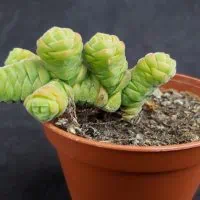
Can I Have a Cactus If I Have a Cat?
Yes, you can absolutely keep cacti in a household with a cat, provided you’re sensible about placement and variety. Cats are naturally agile and curious, so a barrel-shaped cactus like Echinocactus grusonii, the Golden Barrel, is beautiful but best kept on a high, stable shelf out of paw’s reach given its dense, rigid spines.
If your cat likes to jump onto windowsills or worktops, favour rounder, softer-spined types or place taller specimens on the floor in a spot your cat doesn’t frequent. Many UK growers, including Ottershaw Cacti in Surrey, stock a wide range of cacti alongside detailed care notes, so it’s worth checking a plant’s spine type before you buy if you know your cat is a climber.
Which Houseplants Are Safe for Children to Grow?
Cacti make surprisingly good first plants for children because they’re forgiving of missed waterings and teach patience as they grow slowly. For younger children, spineless varieties such as Astrophytum ornatum in its juvenile stage, or soft succulents like Sedum and Echeveria, are gentler starting points than a fully spined columnar cactus.
Older children who understand not to touch the spines can enjoy growing more textured varieties, and many specialist nurseries run open days where families can see collections up close before choosing a plant to take home. Ottershaw Cacti, an RHS Gold Medal-winning grower based in Ottershaw, Surrey, holds nursery open afternoons where children can see mature specimens safely and pick something suited to their age and confidence around plants.
What Are Some Safe Plants for Both Pets and Children?
When a plant needs to suit both pets and children, the safest choices are those that are non-toxic and low-spine, so accidental contact doesn’t cause more than mild discomfort. The table below sets out some commonly available cacti and how they rate for households with both.
| Cactus | Spine Level | Toxicity | Best Placement |
|---|---|---|---|
| Astrophytum myriostigma nudum | None | Non-toxic | Low shelf or floor, safe for most homes |
| Mammillaria plumosa | Soft, downy | Non-toxic | Windowsill, out of constant paw contact |
| Echinocactus grusonii | Sharp, dense | Non-toxic | High shelf, away from climbing cats |
| Ferocactus glaucescens | Sharp, rigid | Non-toxic | Adult-only reach, decorative display |
| Gymnocalycium pflanzii | Moderate | Non-toxic | Coffee table height, supervised areas |
A second useful reference is how these same cacti compare on general care difficulty, since a plant that’s fiddly to keep alive isn’t ideal in a busy family home either.
| Cactus | Watering Needs | Light Requirement | Beginner-Friendly |
|---|---|---|---|
| Astrophytum myriostigma nudum | Low | Bright, indirect | Yes |
| Mammillaria plumosa | Low | Full sun | Yes |
| Echinocactus grusonii | Very low | Full sun | Yes |
| Ferocactus glaucescens | Low | Full sun | Moderate |
| Gymnocalycium pflanzii | Low, avoid overwatering | Bright, indirect | Yes |
According to NHS guidance on poisoning, most common houseplant contact results in nothing more than mild skin irritation rather than serious poisoning, though it’s still sensible to know which species in your home carry any risk at all. Settings that care for young children, including nurseries, are expected to assess this kind of hazard as part of their wider safeguarding duties under the Statutory Framework for the Early Years Foundation Stage, which is a useful benchmark for parents thinking through plant safety at home too.
Looking for Unique Cacti? Check Out Our Stunning Cacti Collections
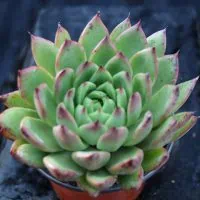
Choosing Cacti That Are Safe Around Pets and Children
Bringing cacti into a home with pets or children doesn’t mean giving up on the plants altogether, it simply means being selective about variety and placement. Spineless types like Astrophytum myriostigma nudum sit at one end of the scale, while densely spined barrel cacti like Echinocactus grusonii belong on a high shelf rather than a low coffee table.
Toxicity is rarely the concern with true cacti, since the family is overwhelmingly non-poisonous to both cats and dogs. The physical risk from spines is what deserves the most thought, and matching the plant to your household, whether that’s a jumping cat, a toddler who grabs at everything, or an older child ready to start their own small collection, makes cacti a genuinely manageable choice for most UK homes.
To sum up the key points from this guide:
- Most cacti are non-toxic to pets and children; spines, not poison, are the main hazard to manage.
- Spineless or soft-spined varieties such as Astrophytum myriostigma nudum and Mammillaria plumosa suit households with curious cats or young children.
- Placement matters as much as species: keep sharply spined types like Echinocactus grusonii on high, stable shelves away from climbing pets and small hands.
Our Most Popular Succulents
-

Ottershaw Cacti Succulent Fertiliser – Everything succulents need to flourish
£7.50Ottershaw Cacti Succulent Fertiliser - Give your plants everything they need to flourish.
Buy Now -
Aeonium ‘Jubilee’ – Award Winning Succulent Plant
£10.00Launched May 2022 at RHS Chelsea Flower Show. This lollipop-shaped plant with glorious copper...
Buy Now -
Aeonium arboreum ‘Luteovariegatum’- Tall Succulent AKA ‘Variegatum’
£10.00Awarded AGM. Variegated tall upright, freely branching Aeonium.
Buy Now -
Aeonium ‘Toffee Apple’ – Ottershaw Hybrid Succulent
£10.00A Striking compact Aeonium filled with light purple coloured medium heads with vibrant green...
Buy Now -
Aeonium ‘Zwartkop’ – Black Rose / Bold, Dark Succulent
£8.50Awarded AGM. Popular tall growing, single headed, dark leaved Aeonium
Buy Now -
Aeonium ‘Kiwi’ – Beautiful Blush-tipped Aeonium AKA ‘Dream Color’
£8.50Recently awarded AGM. A delightful hard leaved variegated bush forming Aeonium, with variegated yellow,...
Buy Now -
Aeonium ‘Pink Witch’ – Vibrant Pink House-Leek
£25.00Aeonium 'Pink Witch' has fantastic PINK colouring which she keeps all year round. Rare...
Buy Now -
Aeonium ‘Black Velvet’ – Intensely Dark
£10.00Intensely dark and matt headed Aeonium. Leaves are short and heads compact with fewer...
Buy Now -
Aeonium ‘Colossus’ – Oversized Dark Rosette
£10.00It grows BIG! Each Aeonium heads can grow 35cm+ when potted on and fed....
Buy Now -
Aeonium ‘Nights Watch’ – Award winning Succulent
£10.00Award winning, upright growing, compact, dark leaved plant that forms an unusual pyramid shape.
Buy Now


Cacti that are safe around pets & children: Frequently Asked Questions
Are cacti poisonous to cats?
Most cacti are non-toxic to cats, so the main risk is physical injury from spines rather than poisoning. Even so, it’s sensible to keep any plant, cactus or otherwise, somewhere a cat can’t easily knock it over.
Are cacti poisonous to dogs?
The majority of true cacti aren’t classed as toxic to dogs either, though a dog chewing on one could still injure its mouth or paws on the spines. As with cats, spineless varieties reduce this risk considerably.
What is a cactus, exactly?
A cactus is a member of the Cactaceae family, a group of succulent plants native mainly to the Americas that store water in thickened stems. You can read more detail on their botany and classification on Wikipedia’s cactus entry.
Can toddlers be around cacti safely?
Toddlers can be around cacti safely if the plant is spineless or kept well out of reach, since young children often touch or grab things without understanding the risk. Supervision alongside sensible placement is the most reliable approach.
Which cactus has no spines at all?
Astrophytum myriostigma nudum, known as the Bishop’s Mitre, grows completely without spines, making it one of the safest cacti to keep around pets and children. Its felted, star-shaped body is also visually distinctive.
Do cacti cause allergic reactions?
Some people experience mild skin irritation from cactus sap or fine hair-like spines called glochids, particularly on varieties like Mammillaria. This is usually a minor, temporary reaction rather than a serious allergy.
Is a Golden Barrel cactus safe for pets?
Golden Barrel cacti (Echinocactus grusonii) are non-toxic but have dense, sharp spines, so they’re better suited to a high shelf away from pets that climb or jump. Their round shape also makes them prone to tipping if knocked.
What should I do if my cat eats part of a cactus?
If a cat eats or chews a small amount of a non-toxic cactus, mild stomach upset or drooling is the most likely outcome, but you should still contact your vet if symptoms persist or the cat seems distressed. Spine injuries to the mouth or gums may need veterinary attention separately.
Are succulents safer than cacti for children?
Many soft-leaved succulents such as Echeveria or Sedum are safer in the sense that they have no spines, though some succulent families like Euphorbia contain irritant sap that cacti generally don’t. It’s worth checking the specific genus rather than assuming all succulents are equally safe.
Where can I buy pet-safe cacti in the UK?
Specialist nurseries such as Ottershaw Cacti in Surrey stock a wide range of cacti and can advise on spine type and toxicity for specific varieties. Buying from a specialist grower rather than a generic supermarket display often means better labelling and more reliable advice.
Can children grow their own cactus collection?
Yes, cacti are a good choice for children because they’re low-maintenance and slow-growing, which suits a child’s attention span and teaches patience. Starting with a spineless or soft-spined variety keeps the experience positive rather than painful.
Do cacti need special care to stay safe around pets?
Beyond spine management, the main safety consideration is placement and stability, since a toppled pot can scatter soil and spines across a room. Using a heavier pot or a stable stand reduces the chance of an accidental knock from a pet.
Are Mammillaria cacti safe for homes with pets?
Mammillaria varieties vary quite a bit; some like Mammillaria plumosa have soft, feathery spines, while others have firmer hooked spines that are less forgiving. Checking the specific variety before buying is the safest approach.
What is the safest cactus for a family with both young children and cats?
Astrophytum myriostigma nudum is one of the safest all-round choices thanks to its complete lack of spines, and it also tolerates the low light of most UK living rooms reasonably well. Placing it somewhere stable and out of a cat’s usual jumping path adds an extra layer of safety.
Do all cacti need full sun to stay healthy?
No, some cacti such as Gymnocalycium pflanzii prefer bright, indirect light rather than harsh direct sun, which makes them more flexible for typical UK homes. Checking individual care needs, ideally from the grower you buy from, helps keep the plant healthy long term.