Best Cacti For Beginners
23rd Sep 2026 | Daniel Jackson | Cactus | 5 mins

The best cacti for beginners are hardy, forgiving species such as the Golden Barrel, Bunny Ears Opuntia and Moon Cactus, all of which tolerate irregular watering and cope well with average household conditions. These varieties are widely stocked by UK garden centres and adapt easily to the lower light levels found in most British homes.
Which Cacti Are the Easiest to Grow for Beginners
Not every cactus is suited to a first-time owner, and some of the more delicate flowering varieties can be frustratingly fussy. For someone starting out, the safest choices are slow-growing, drought-tolerant species that forgive the odd missed watering.
The table below compares four of the most beginner-friendly options available in the UK, along with their basic care needs.
| Cactus | Difficulty | Watering | Light Needs |
|---|---|---|---|
| Golden Barrel | Very easy | Every 2-3 weeks | Bright, direct sun |
| Bunny Ears Opuntia | Easy | Every 2 weeks | Bright, indirect sun |
| Moon Cactus | Easy | Every 1-2 weeks | Bright, filtered light |
| Old Lady Cactus | Moderate | Every 2-3 weeks | Bright, direct sun |
Each of these copes well with a windowsill environment, which makes them a sensible starting point before moving on to trickier flowering species.
Looking for Cacti Inspiration? Check Out Our Award Winning Cacti Collections

Do Cacti Like Full Sun or Shade
Most cacti are native to arid, sun-baked environments, so they generally prefer bright, direct light for at least part of the day. A south or west-facing windowsill tends to work best in a typical UK home, particularly through the darker autumn and winter months.
That said, a cactus moved suddenly from a shaded shop shelf into harsh direct sun can scorch, so gradual acclimatisation matters. Introducing extra light over a week or two, rather than all at once, gives the plant time to adjust without visible stress marks.
Do Cacti Like Small or Large Pots
Cacti actually prefer snug pots rather than roomy ones, since too much surrounding compost holds excess moisture around the roots. A pot that’s only slightly larger than the root ball encourages healthier growth and reduces the risk of root rot.
The table below sets out rough pot sizing by plant age, which is a useful reference when repotting.
| Cactus Age | Recommended Pot Size | Repotting Frequency |
|---|---|---|
| Seedling (0-1 yr) | 5-7cm | Not usually needed |
| Young (1-3 yrs) | 8-10cm | Every 1-2 years |
| Mature (3+ yrs) | 12-15cm | Every 2-3 years |
Terracotta pots are generally preferable to plastic ones too, since the porous material allows excess moisture to evaporate more readily.
The Most Common Mistake People Make When Growing Cacti
Overwatering is, by a wide margin, the mistake most beginners make with cacti. It’s a natural instinct to treat a cactus like any other houseplant, watering on a fixed weekly schedule regardless of whether the compost has actually dried out.
This single habit is responsible for the vast majority of cactus deaths in UK homes. A far safer approach is to check the compost with a finger before watering, and only water once it’s completely dry through.
For anyone growing cacti alongside other houseplants that may need occasional pest treatment, it’s worth checking guidance on using pesticides safely around the home, as set out by the Health and Safety Executive.
Looking for Unique Cacti? Check Out Our Stunning Cacti Collections
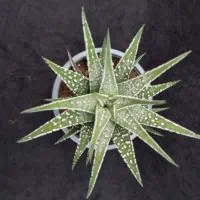
Growing the Best Cacti for Beginners
Starting out with cacti doesn’t need to be complicated, provided the basics of light, watering and pot size are respected from day one. Choosing forgiving species like the Golden Barrel or Bunny Ears Opuntia gives new owners room to make small mistakes without losing the plant altogether.
Anyone bringing cactus specimens or cuttings into the UK from abroad should also be aware that certain species are subject to import controls, and the government’s guidance on bringing plants into Great Britain is worth checking beforehand. This is particularly relevant for anyone buying cacti while travelling, rather than sourcing them from a UK nursery or garden centre.
With a little patience, a beginner collection can easily grow into a lasting hobby. The key points to remember are:
- Choose easy, forgiving species such as Golden Barrel, Bunny Ears Opuntia or Moon Cactus
- Provide bright light, introduced gradually, and avoid overwatering above all else
- Use snug, well-draining pots and terracotta where possible
Our Most Popular Succulents
-

Ottershaw Cacti Succulent Fertiliser – Everything succulents need to flourish
£7.50Ottershaw Cacti Succulent Fertiliser - Give your plants everything they need to flourish.
Buy Now -
Aeonium ‘Jubilee’ – Award Winning Succulent Plant
£10.00Launched May 2022 at RHS Chelsea Flower Show. This lollipop-shaped plant with glorious copper...
Buy Now -
Aeonium Arboreum ‘Luteovariegatum’- Tall Succulent AKA ‘Variegatum’
£10.00Awarded AGM. Variegated tall upright, freely branching Aeonium.
Buy Now -
Aeonium ‘Toffee Apple’ – Ottershaw Hybrid Succulent
£10.00A Striking compact Aeonium filled with light purple coloured medium heads with vibrant green...
Buy Now -
Aeonium ‘Zwartkop’ – Black Rose / Bold, Dark Succulent
£8.50Awarded AGM. Popular tall growing, single headed, dark leaved Aeonium
Buy Now -
Aeonium ‘Kiwi’ – Beautiful Blush-tipped Aeonium AKA ‘Dream Color’
£8.50Recently awarded AGM. A delightful hard leaved variegated bush forming Aeonium, with variegated yellow,...
Buy Now -
Aeonium ‘Pink Witch’ – Vibrant Pink House-Leek
£25.00Aeonium 'Pink Witch' has fantastic PINK colouring which she keeps all year round. Rare...
Buy Now -
Aeonium ‘Black Velvet’ – Intensely Dark
£10.00Intensely dark and matt headed Aeonium. Leaves are short and heads compact with fewer...
Buy Now -
Aeonium ‘Colossus’ – Oversized Dark Rosette
£10.00It grows BIG! Each Aeonium heads can grow 35cm+ when potted on and fed....
Buy Now -
Aeonium ‘Nights Watch’ – Award winning Succulent
£10.00Award winning, upright growing, compact, dark leaved plant that forms an unusual pyramid shape.
Buy Now


Best Cacti for Beginners: Frequently Asked Questions
What is the best cactus for a complete beginner?
The Golden Barrel Cactus is widely considered the easiest option, as it tolerates infrequent watering and low-maintenance conditions well. It’s also slow-growing, which makes it forgiving of small care mistakes in the first year.
How often should a beginner water a cactus?
Most beginner cacti only need watering every two to three weeks, and even less during winter. The safest method is to check that the compost is completely dry before watering again.
Do cacti need direct sunlight indoors?
Yes, most cacti prefer bright, direct light for at least several hours a day. A south or west-facing windowsill is usually the best spot in a UK home.
Can cacti survive in low light rooms?
Some cacti can tolerate lower light for short periods, but prolonged shade usually causes weak, stretched growth. It’s best to move the plant to a brighter spot as soon as this is noticed.
What size pot should I use for a small cactus?
A pot only slightly larger than the root ball is ideal, typically five to seven centimetres for a young plant. Oversized pots hold too much moisture and can lead to root rot.
Is it better to use plastic or terracotta pots for cacti?
Terracotta is generally preferable, since its porous material lets excess moisture evaporate more easily. Plastic pots retain water for longer, which increases the risk of overwatering.
What is the most common reason cacti die indoors?
Overwatering is by far the most common cause of cactus death among beginners. It’s usually the result of watering on a fixed schedule rather than checking the compost first.
How do I know if I’m overwatering my cactus?
Signs include a soft, mushy or discoloured stem, and a base that feels squishy rather than firm. If this happens, it’s best to stop watering immediately and let the compost dry out fully.
Do cacti need fertiliser?
Cacti need very little fertiliser, and none at all during winter dormancy. A diluted, specialist cactus feed once or twice during the growing season is usually sufficient.
Can beginner cacti be grown outdoors in the UK?
Some hardy species can survive outdoors in sheltered, well-draining spots during summer, but most UK cacti are grown as houseplants. The unpredictable British climate makes year-round outdoor growing unreliable for most varieties.
How long do beginner cacti typically live?
Many common beginner cacti, such as the Golden Barrel, can live for decades with the right care. Their slow growth rate means they’re a genuinely long-term houseplant rather than a short-lived novelty.
Are cacti safe to keep around pets?
Most cacti aren’t toxic if ingested, but their spines can cause physical injury to curious pets. It’s worth keeping them out of reach regardless, particularly varieties with fine, hair-like spines.
What family of plants do cacti belong to?
Cacti belong to the Cactaceae family, a group of succulent plants mostly native to the Americas. Further background on their classification and characteristics can be found on Wikipedia.
Do all cacti flower?
Many cacti do flower given the right conditions, though some beginner varieties rarely bloom indoors. Flowering is more likely with consistent bright light and a genuine winter rest period.