What is the lifespan of Aeonium?
18th Dec 2025 | Daniel Jackson | Aeonium | 6 mins

Aeonium succulents captivate gardeners with their distinctive rosette formations and architectural beauty, yet many wonder about their longevity before investing time in their care. These remarkable plants, native to the Canary Islands and surrounding Atlantic islands, offer a fascinating lifecycle that differs significantly from traditional perennial plants.
Understanding Aeonium lifespan proves essential for both novice and experienced gardeners planning their succulent collections. These plants present unique growth patterns and care requirements that directly influence their longevity, making proper knowledge crucial for successful cultivation.
How Long Does Aeonium Live?
Most Aeonium varieties live between 3 to 10 years under optimal conditions, though this timeframe varies considerably based on species, growing conditions, and care practices. The monocarpic nature of many Aeonium species means they flower once during their lifetime before naturally declining, which typically occurs after several years of vegetative growth.
Species variation plays a crucial role in determining lifespan expectations. Tree Aeonium (Aeonium arboreum) often lives longer than smaller varieties, potentially reaching 8-10 years, whilst compact species like Aeonium tabuliforme may complete their lifecycle within 3-5 years. Environmental factors such as temperature stability, light exposure, and moisture levels significantly impact these timeframes.
| Aeonium Species | Average Lifespan | Growth Habit | Flowering Timeline |
|---|---|---|---|
| Aeonium arboreum | 6-10 years | Tree-like | 4-6 years |
| Aeonium haworthii | 4-7 years | Branching | 3-5 years |
| Aeonium tabuliforme | 3-5 years | Flat rosette | 2-4 years |
| Aeonium canariense | 5-8 years | Large rosette | 4-6 years |
| Aeonium undulatum | 4-6 years | Wavy leaves | 3-5 years |
Looking for Aeonium? Check Out Our Award-Winning Aeoniums Collection
How Do I Stop Aeonium from Getting Leggy?
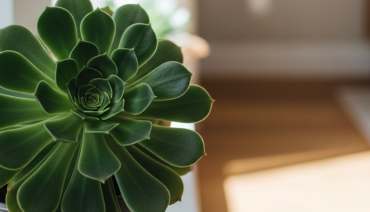
Preventing leggy growth in Aeonium requires consistent bright light exposure and proper seasonal care adjustments. Insufficient light causes these succulents to stretch towards available light sources, creating elongated stems with widely spaced leaves that compromise the plant’s characteristic compact rosette form.
Positioning your Aeonium in locations receiving 6-8 hours of bright, indirect sunlight daily helps maintain compact growth. During winter months when natural light decreases, consider supplementing with grow lights positioned 12-18 inches above the plant to prevent stretching. Regular rotation every few weeks ensures even light distribution across all sides of the plant.
Pruning leggy growth encourages bushier development and can extend the plant’s productive lifespan. Remove stretched stems by cutting just above a node or healthy leaf cluster using sterilised pruning shears. These cuttings often root successfully when dried for 24-48 hours before planting in well-draining succulent compost.
What is the Lifespan of the Tree Aeonium?
Tree Aeonium (Aeonium arboreum) represents one of the longest-lived varieties within the genus, typically surviving 6-10 years under proper care conditions. This species develops a distinctive woody trunk over time, supporting multiple rosette clusters that create an impressive sculptural appearance in gardens and containers.
The extended lifespan of tree Aeonium relates directly to its branching growth habit, which allows the plant to continue producing new rosettes even after some branches complete their flowering cycle. Unlike single-rosette varieties that die entirely after blooming, tree Aeonium maintains vitality through its remaining branches, effectively prolonging its overall lifespan. Environmental stress factors such as extreme temperature fluctuations, overwatering, or prolonged drought can significantly reduce this timeframe.
Proper care practices for tree Aeonium include providing well-draining soil, protecting from temperatures below 7°C, and maintaining consistent but moderate watering schedules. The UK’s Royal Horticultural Society provides excellent guidance on succulent care practices that support optimal longevity for these remarkable plants.
| Growth Stage | Timeline | Characteristics | Care Focus |
|---|---|---|---|
| Juvenile | 0-2 years | Single rosette, rapid growth | Consistent watering, bright light |
| Mature | 2-5 years | Branching begins, trunk develops | Reduced watering, pruning |
| Flowering | 4-8 years | Bloom production starts | Support feeding, deadheading |
| Decline | 6-10 years | Natural senescence begins | Propagation preparation |
What is the Average Lifespan of a Succulent?
Succulent lifespans vary dramatically across different genera and species, ranging from 2-3 years for some annual varieties to over 100 years for certain cacti and large agaves. Most common household succulents, including Echeveria, Sedum, and Jade plants, typically live 5-20 years with appropriate care, whilst desert natives often exceed these timeframes significantly.
Aeonium falls within the shorter end of the succulent lifespan spectrum due to their monocarpic flowering habit and Atlantic island origins. These plants evolved in relatively stable, mild climates where rapid reproduction and shorter individual lifespans proved advantageous for species survival. Comparing Aeonium to other popular succulents helps establish realistic expectations for gardeners building diverse collections.
The UK government’s agricultural guidance through DEFRA’s plant health regulations ensures healthy plant imports that support optimal growing conditions. Understanding these baseline health standards helps gardeners make informed decisions about succulent longevity expectations when purchasing new specimens.
Maximising Your Aeonium’s Natural Lifespan
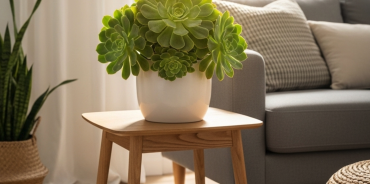
Extending Aeonium lifespan requires understanding their unique dormancy patterns and seasonal care adjustments throughout the year. These succulents enter dormancy during hot summer months, reducing their water and nutrient needs significantly compared to their active growing periods in autumn, winter, and spring.
Creating optimal growing conditions involves providing excellent drainage, moderate temperatures between 10-24°C, and protection from harsh winter conditions in most UK locations. Container cultivation offers advantages for British gardeners, allowing plants to be moved to protected locations during extreme weather whilst maintaining proper light exposure during growing seasons.
Successful propagation ensures continuity even as individual plants complete their natural lifecycles. Taking cuttings from healthy branches before flowering occurs provides backup plants that carry forward the genetic characteristics of particularly attractive specimens. This approach proves especially valuable for rare varieties or plants with exceptional growth habits.
Here are the key strategies for maximising Aeonium lifespan:
- Environmental Management: Maintain consistent temperatures, provide excellent drainage, and ensure adequate light exposure whilst protecting from extreme weather conditions
- Seasonal Care Adjustments: Reduce watering during summer dormancy, increase attention during active growing periods, and monitor for pest issues during vulnerable transitions
- Propagation Planning: Take cuttings before flowering occurs, maintain backup plants through division, and preserve desirable characteristics through careful selection
Our Most Popular Echeverias and Succulents
-

Ottershaw Cacti Succulent Fertiliser – Everything succulents need to flourish
£7.50Ottershaw Cacti Succulent Fertiliser - Give your plants everything they need to flourish.
Buy Now -
Aeonium ‘Jubilee’ – Award Winning Succulent Plant
£10.00Launched May 2022 at RHS Chelsea Flower Show. This lollipop-shaped plant with glorious copper...
Buy Now -
Aeonium Arboreum ‘Luteovariegatum’- Tall Succulent AKA ‘Variegatum’
£10.00Awarded AGM. Variegated tall upright, freely branching Aeonium.
Buy Now -
Aeonium ‘Toffee Apple’ – Ottershaw Hybrid Succulent
£10.00A Striking compact Aeonium filled with light purple coloured medium heads with vibrant green...
Buy Now -
Aeonium ‘Zwartkop’ – Black Rose / Bold, Dark Succulent
£8.50Awarded AGM. Popular tall growing, single headed, dark leaved Aeonium
Buy Now -
Aeonium ‘Kiwi’ – Beautiful Blush-tipped Aeonium AKA ‘Dream Color’
£8.50Recently awarded AGM. A delightful hard leaved variegated bush forming Aeonium, with variegated yellow,...
Buy Now -
Aeonium ‘Pink Witch’ – Vibrant Pink House-Leek
£25.00Aeonium 'Pink Witch' has fantastic PINK colouring which she keeps all year round. Rare...
Buy Now -
Aeonium ‘Black Velvet’ – Intensely Dark
£10.00Intensely dark and matt headed Aeonium. Leaves are short and heads compact with fewer...
Buy Now -
Aeonium ‘Colossus’ – Oversized Dark Rosette
£10.00It grows BIG! Each Aeonium heads can grow 35cm+ when potted on and fed....
Buy Now -
Aeonium ‘Nights Watch’ – Award winning Succulent
£10.00Award winning, upright growing, compact, dark leaved plant that forms an unusual pyramid shape.
Buy Now


Can Aeoniums Recover from Frost: Frequently Asked Questions
How long does it take for an Aeonium to recover from frost damage? Recovery timelines typically range from 2-6 months depending on damage severity and growing conditions. New growth often appears within 4-8 weeks during active growing seasons, though complete restoration may take a full growing cycle.
Should I cut back frost-damaged Aeonium leaves immediately? Remove only obviously blackened or mushy tissue using clean tools, leaving questionable areas for several weeks to determine viability. Premature cutting can remove potentially recoverable growing points that might regenerate.
Can Aeoniums survive repeated frost exposure? Multiple frost events significantly reduce survival chances, particularly for already weakened plants. Protection during subsequent cold spells becomes critical for successful recovery.
What temperature kills Aeoniums permanently? Temperatures below -2°C typically cause irreversible damage to most Aeonium varieties. However, brief exposure to slightly lower temperatures doesn’t always prove fatal if proper recovery care follows.
Do different Aeonium species have varying frost tolerance? Aeonium arboreum and its cultivars generally show better cold tolerance than species like A. tabuliforme or A. castello-paivae. According to Wikipedia, these variations reflect their different native habitats and evolutionary adaptations.
Should I water frost-damaged Aeoniums immediately? Avoid watering for at least 2-3 weeks after frost damage to prevent fungal infections in compromised tissue. Resume gentle watering only when new growth appears or soil becomes completely dry.
Can I propagate healthy parts from frost-damaged plants? Healthy rosettes or stem sections can often be successfully propagated even when the main plant appears severely damaged. This provides insurance against total plant loss.
Will my Aeonium flower after recovering from frost? Recovered plants typically resume normal flowering cycles, though this may be delayed by 6-12 months whilst the plant redirects energy into vegetative recovery. The gov.uk plant health guidance provides additional recovery support information.
How can I prevent future frost damage to Aeoniums? Provide winter protection through fleece covers, relocate containers to sheltered positions, or move plants into unheated greenhouses during anticipated frost periods.
What soil conditions help Aeonium frost recovery? Well-draining, gritty compost prevents waterlogging during recovery whilst providing stability for regenerating root systems. Avoid rich, moisture-retentive soils that increase rot risk.
Can indoor heating help frost-damaged Aeoniums recover? Gradual warming in unheated but protected spaces proves more successful than sudden exposure to central heating, which can cause additional stress to already compromised plants.
How do I know if my Aeonium is beyond recovery? Plants with completely blackened stems, hollow or soft central crowns, and extensive root damage rarely recover successfully. However, patience often reveals surprising regeneration capabilities.
Will recovered Aeoniums be more frost-resistant? Surviving plants don’t develop increased cold tolerance, but your improved understanding of their protection needs typically prevents future damage through better winter care practices.
Can I use rooting hormone on frost-damaged Aeoniums? Rooting hormone can assist propagation of healthy sections but won’t repair frost damage to existing plant tissue. Focus on removing damaged areas and allowing natural recovery processes to proceed.