How to Care for Haworthia Retusa
17th Oct 2026 | Daniel Jackson | Haworthia | 7 mins
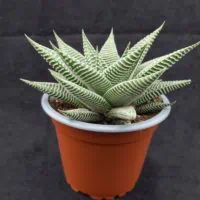
Haworthia Retusa is a compact, low-maintenance succulent native to the Western Cape of South Africa, and caring for it correctly comes down to mastering a handful of key conditions: bright indirect light, infrequent watering, and well-draining soil. Get those three fundamentals right, and this resilient little plant will reward you with years of architectural beauty on a windowsill or desk.
Common Problems with Haworthia Retusa and How to Spot Them Early
Most issues with Haworthia Retusa trace back to two culprits: too much water and too little light. Overwatering is by far the most frequent mistake. The plant stores moisture in its fleshy leaves, so soggy soil for extended periods leads quickly to root rot, which can be fatal if left unchecked.
Pests are a secondary concern, though not an uncommon one. Mealybugs tend to nestle at the base of the leaves, leaving a white cottony residue, while root mealybugs hide below the soil line and are harder to spot. A routine inspection every few weeks, combined with prompt treatment using neem oil or diluted isopropyl alcohol, keeps these infestations manageable before they take hold.
| Problem | Likely Cause | Solution |
|---|---|---|
| Soft, mushy leaves | Overwatering or root rot | Remove affected roots, repot in dry soil, reduce watering |
| Brown leaf tips | Low humidity or direct sun | Move to indirect light, mist occasionally |
| Pale or washed-out leaves | Too much direct sunlight | Relocate to bright but filtered light |
| Wrinkled, shrivelled leaves | Underwatering | Water thoroughly and allow to drain fully |
| White cottony residue | Mealybug infestation | Treat with neem oil or 70% isopropyl alcohol |
| Slow or no growth | Insufficient light or nutrients | Increase light exposure; fertilise sparingly in spring |
Looking for Haworthias? Check out our Award Winning Haworthia Collection
How to Revive a Dying Haworthia Retusa
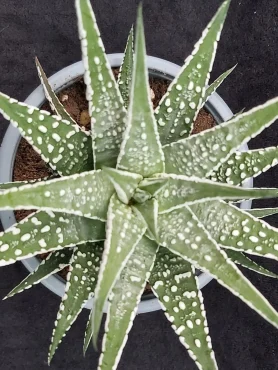
The first step in reviving a struggling Haworthia Retusa is accurate diagnosis, because the treatment differs significantly depending on whether the plant is suffering from overwatering, underwatering, or a pest issue. Carefully remove the plant from its pot and examine the root system. Healthy roots are white or pale tan; roots that are brown, black, or mushy indicate rot, and those sections need to be trimmed away with sterile scissors before repotting.
Once you have addressed the root cause, repot into fresh, dry, gritty succulent compost and do not water immediately. Allowing the plant to settle for five to seven days before its first post-repotting watering gives any cut root ends time to callous over and reduces the risk of infection. The Royal Horticultural Society offers reliable guidance on succulent care and propagation that is well worth consulting if you encounter ongoing difficulties. Most Haworthia Retusa plants that appear to be dying will show signs of recovery within four to six weeks of corrective care, provided the intervention comes before total root failure.
Looking for Specialist Haworthias? Check out our Rare Haworthia Collection
How to Care for Haworthia Retusa: Everything You Need to Know
Caring for a Haworthia Retusa is less about doing a great deal and more about avoiding the common pitfalls that trip up well-meaning plant owners. The plant thrives on a consistent routine: water only when the top inch of soil is completely dry, position it in bright indirect light away from harsh direct sun, and feed with a half-strength cactus fertiliser no more than once a month during spring and summer. Outside of the growing season, the plant needs almost no intervention at all.
Repotting, pest management, and periodic inspection of the root system are the maintenance tasks that deserve the most attention over the long term. Catching problems early, particularly the early signs of root rot or mealybug activity, is far easier than reversing advanced damage. A plant that is monitored regularly is a plant that almost always remains healthy.
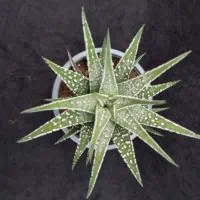
The Haworthia Retusa is ultimately one of the most forgiving succulents available to UK growers. Its compact size makes it ideal for homes and offices with limited space, its drought tolerance suits busy lifestyles, and its striking star-shaped rosette provides genuine visual interest throughout the year. Treat it with respect for its natural habitat, replicate those semi-arid South African conditions as closely as your home allows, and it will be a loyal resident on your windowsill for decades.
- Haworthia Retusa thrives in bright indirect light, free-draining gritty compost, and infrequent watering that allows the soil to dry out fully between sessions.
- Root rot from overwatering is the primary threat to this plant; terracotta pots, careful watering habits, and prompt repotting when problems emerge are the most reliable safeguards.
- A well-maintained Haworthia Retusa can live for 20 to 50 years, making early problem identification and consistent seasonal care the most valuable long-term investments.
Our Most Popular Succulents
-

Ottershaw Cacti Succulent Fertiliser – Everything succulents need to flourish
£7.50Ottershaw Cacti Succulent Fertiliser - Give your plants everything they need to flourish.
Buy Now -
Aeonium ‘Jubilee’ – Award Winning Succulent Plant
£10.00Launched May 2022 at RHS Chelsea Flower Show. This lollipop-shaped plant with glorious copper...
Buy Now -
Aeonium arboreum ‘Luteovariegatum’- Tall Succulent AKA ‘Variegatum’
£10.00Awarded AGM. Variegated tall upright, freely branching Aeonium.
Buy Now -
Aeonium ‘Toffee Apple’ – Ottershaw Hybrid Succulent
£10.00A Striking compact Aeonium filled with light purple coloured medium heads with vibrant green...
Buy Now -
Aeonium ‘Zwartkop’ – Black Rose / Bold, Dark Succulent
£8.50Awarded AGM. Popular tall growing, single headed, dark leaved Aeonium
Buy Now -
Aeonium ‘Kiwi’ – Beautiful Blush-tipped Aeonium AKA ‘Dream Color’
£8.50Recently awarded AGM. A delightful hard leaved variegated bush forming Aeonium, with variegated yellow,...
Buy Now -
Aeonium ‘Pink Witch’ – Vibrant Pink House-Leek
£25.00Aeonium 'Pink Witch' has fantastic PINK colouring which she keeps all year round. Rare...
Buy Now -
Aeonium ‘Black Velvet’ – Intensely Dark
£10.00Intensely dark and matt headed Aeonium. Leaves are short and heads compact with fewer...
Buy Now -
Aeonium ‘Colossus’ – Oversized Dark Rosette
£10.00It grows BIG! Each Aeonium heads can grow 35cm+ when potted on and fed....
Buy Now -
Aeonium ‘Nights Watch’ – Award winning Succulent
£10.00Award winning, upright growing, compact, dark leaved plant that forms an unusual pyramid shape.
Buy Now


How to Care for Haworthia Retusa: Frequently Asked Questions
How often should I water my Haworthia Retusa?
Water your Haworthia Retusa approximately every two to three weeks during spring and summer, and reduce this to once a month or less during autumn and winter. Always check that the top inch of compost is completely dry before watering again.
What type of soil is best for Haworthia Retusa care?
A gritty, fast-draining succulent or cactus compost is ideal, often improved with the addition of perlite or coarse horticultural sand at a ratio of roughly 50:50. The priority is ensuring water moves through the medium quickly and never pools around the roots.
How much light does a Haworthia Retusa need?
It performs best in bright, indirect light, such as a position near an east or west-facing window. Direct midday sun can scorch the leaves, causing brown patches and a bleached appearance.
Can I keep Haworthia Retusa outdoors in the UK?
It can be placed outdoors during the warmer months from late May to early September, but it must be brought inside before temperatures drop below 10°C. The UK’s wet autumns and winters are not suitable for this plant outdoors due to excess rainfall.
Why are the leaves on my Haworthia Retusa turning yellow?
Yellowing leaves typically indicate overwatering or poor drainage, with the roots sitting in moisture for too long. Remove the plant from its pot, inspect the roots, trim any rot, and repot into fresh dry compost.
Should I mist my Haworthia Retusa?
Misting is not necessary and is generally not recommended, as it can encourage fungal issues if water sits on the leaves for extended periods. Haworthia Retusa absorbs moisture most efficiently through its roots, not its leaves.
How do I propagate Haworthia Retusa?
The easiest method is via offsets, commonly called pups, which grow around the base of the mother plant and can be gently separated once they have a small root system of their own. For a detailed overview of Haworthia propagation and species information, the Wikipedia page on Haworthia provides a useful starting point.
Does Haworthia Retusa need fertiliser?
It benefits from a light feed of half-strength cactus fertiliser applied once a month during the active growing season of spring and summer. Do not fertilise during autumn and winter when the plant is in its natural rest period.
Is Haworthia Retusa toxic to pets?
Haworthia species are generally considered non-toxic to cats and dogs, making them a safer houseplant choice for pet owners compared to many other succulents. If you are concerned about plant safety in the home, the UK Government’s Veterinary Medicines Directorate can signpost you to appropriate resources.
What pot material is best for Haworthia Retusa?
Terracotta is the preferred material because its porous nature allows air to reach the roots and excess moisture to evaporate through the walls. This reduces the risk of waterlogging, which is the most common cause of serious decline in this plant.
How do I know if my Haworthia Retusa is getting enough light?
A healthy Haworthia Retusa will maintain a deep green colour with firm, upright leaves. If the plant begins to stretch, lean towards a light source, or its leaves lose their characteristic translucent tips, it is telling you it needs to be moved somewhere brighter.
Can Haworthia Retusa survive in low light?
It is more tolerant of lower light conditions than many succulents, but it will not thrive long-term in deep shade. A position near a window is always preferable to placing it on an interior shelf away from any natural light source.
How do I know when to repot my Haworthia Retusa?
Repot when roots are visibly escaping from drainage holes, the plant has produced so many offsets it is outgrowing the container, or the compost has broken down and begun to retain water rather than drain freely. Every two to three years is a reasonable general guideline.
Why is my Haworthia Retusa not growing?
Slow or stalled growth is most commonly linked to insufficient light, temperatures that are too low, or a root system that is either waterlogged or starved of nutrients. Reassess the plant’s position, check the roots, and consider a light fertilisation at the start of the growing season.