How do you care for Echeveria?
20th Jul 2025 | Daniel Jackson | Echeveria | 6 mins
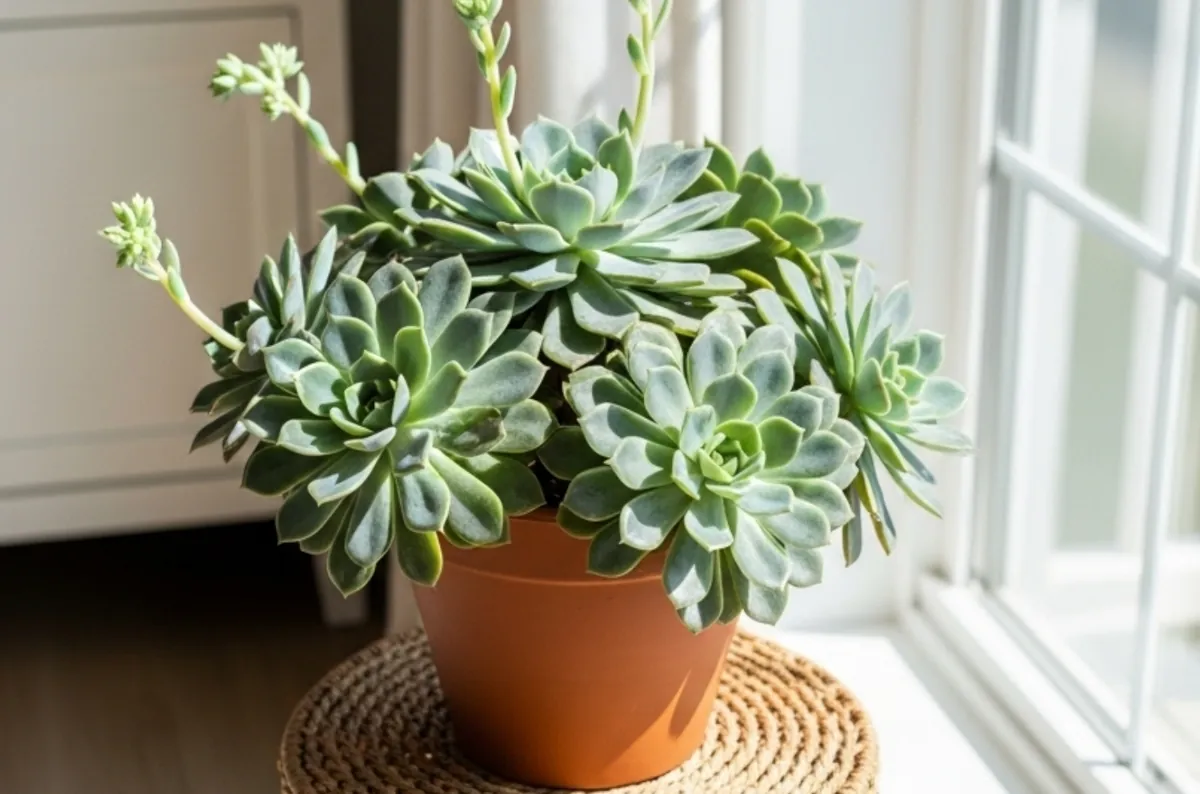
Echeveria care requires understanding these distinctive succulents’ natural habitat preferences to recreate optimal growing conditions in your home or garden. These rosette-forming plants, native to semi-desert regions of Central America, have evolved specific adaptations that make them surprisingly straightforward to maintain once you grasp their fundamental needs.
Success with Echeveria cultivation centres on replicating their native environment through careful attention to watering schedules, light exposure, soil composition, and seasonal care adjustments. The key lies in recognising that these plants store water in their thick, fleshy leaves and prefer periods of drought between thorough watering sessions.
How Often Should You Water an Echeveria?
Echeveria watering schedules depend heavily on seasonal changes, with most specimens requiring water every 7-10 days during active growing periods in spring and summer. The golden rule involves checking soil moisture levels before each watering session, ensuring the potting medium has dried completely since the previous application.
During winter months, reduce watering frequency to every 2-3 weeks as these succulents enter dormancy and their water requirements decrease significantly. Overwatering poses the greatest threat to Echeveria health, often resulting in root rot and stem deterioration that can prove fatal if left untreated.
Looking for Inspiration? Check Out Our Award Winning Echeveria Collection
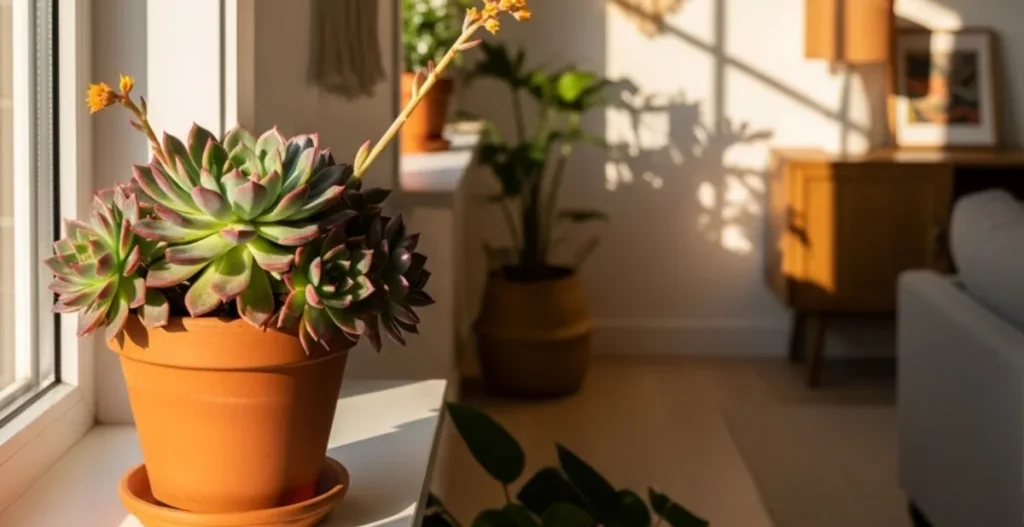
How to Care for Echeveria Indoors UK
Indoor Echeveria care in the UK requires positioning plants near south-facing windows where they’ll receive maximum natural light throughout shorter winter days. Supplemental grow lights become essential during autumn and winter months when daylight hours diminish and natural light intensity weakens considerably.
Maintaining indoor temperatures between 18-24°C provides optimal growing conditions, whilst ensuring adequate air circulation prevents fungal issues that commonly affect succulents in humid indoor environments. The UK’s naturally higher humidity levels mean indoor growers must pay particular attention to soil drainage and avoid misting these plants directly.
How Do You Care for Echeveria Succulents UK?
UK-specific Echeveria care involves adapting cultivation practices to accommodate our maritime climate’s cooler temperatures and higher rainfall levels. Outdoor cultivation works best from late spring through early autumn, with plants requiring protection from excessive moisture during our frequent rain showers.
Container growing offers the most practical solution for UK gardeners, allowing easy movement between indoor and outdoor positions as weather conditions change. The UK’s mild summers rarely provide the intense heat these succulents prefer, making greenhouse cultivation an excellent option for achieving optimal growing conditions year-round.
How Much Light Does an Echeveria Need?
Echeveria plants require approximately 6-8 hours of bright, indirect sunlight daily to maintain their compact rosette formation and vibrant colouration. Insufficient light causes etiolation, where plants stretch towards light sources, resulting in weak, elongated growth that compromises their characteristic appearance.
Direct morning sunlight provides beneficial energy without the harsh intensity that can scorch delicate leaf surfaces during peak afternoon hours. UK gardeners should position plants where they’ll receive maximum available light whilst protecting them from intense midday sun that can cause leaf burn and permanent scarring.
| Light Requirements | Indoor Placement | Outdoor Positioning |
|---|---|---|
| Morning Sun | East-facing windows | Sheltered east-facing spots |
| Afternoon Light | South-facing windows with sheer curtains | Partial shade areas |
| Winter Lighting | Supplemental grow lights | Greenhouse or conservatory |
| Light Duration | 6-8 hours minimum | Natural daylight cycles |
Soil and Potting Requirements
Echeveria plants thrive in well-draining, sandy soil mixtures that prevent water retention around their sensitive root systems. Commercial cactus and succulent potting mixes provide excellent foundations, though many growers enhance drainage further by adding perlite or coarse sand to improve aeration.
Container selection plays a crucial role in successful cultivation, with terracotta pots offering superior moisture regulation compared to plastic alternatives. The UK’s climate makes proper drainage absolutely essential, as our naturally higher humidity levels increase the risk of fungal infections and root rot in poorly draining substrates.
Government guidance on plant health and biosecurity emphasises the importance of using sterile potting materials and maintaining clean growing conditions. Additional information about sustainable gardening practices provides valuable context for environmentally conscious succulent cultivation.
Seasonal Care Adjustments
Spring marks the beginning of active growth periods when Echeveria plants emerge from winter dormancy and begin producing new foliage. This season requires gradually increasing watering frequency and resuming monthly fertilisation with diluted, low-nitrogen plant food specifically formulated for succulents.
Summer care focuses on maintaining consistent moisture levels without overwatering, whilst providing protection from extreme heat that can stress these plants despite their drought tolerance. Autumn preparation involves reducing watering frequency and discontinuing fertilisation to help plants prepare for winter dormancy periods.
| Season | Watering Frequency | Fertilisation | Special Considerations |
|---|---|---|---|
| Spring | Every 7-10 days | Monthly (diluted) | Resume active care |
| Summer | Every 5-7 days | Monthly (diluted) | Monitor for heat stress |
| Autumn | Every 10-14 days | Stop fertilising | Prepare for dormancy |
| Winter | Every 2-3 weeks | None | Reduce all care activities |
Looking for Echeverias? Check Out Our Popular Echeveria Collections
Essential Care for Echeveria Success
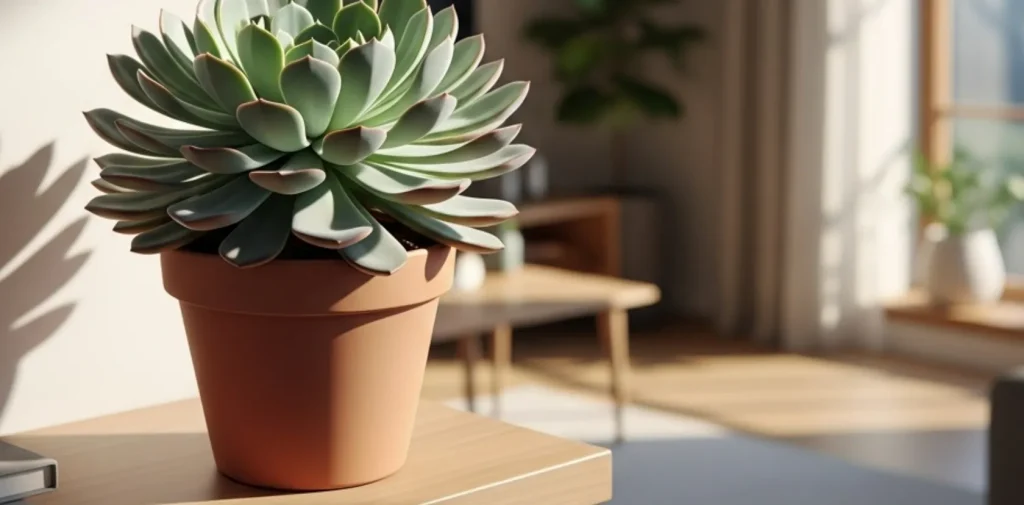
Successful Echeveria cultivation depends on understanding these plants’ natural adaptations and providing consistent care that mirrors their native habitat conditions. The most common mistakes involve overwatering and insufficient light exposure, both of which can be easily avoided through proper education and attention to plant signals.
Regular monitoring of plant health indicators, including leaf colour, rosette compactness, and overall growth patterns, helps identify potential issues before they become serious problems. Healthy Echeveria plants reward careful cultivation with stunning architectural forms and occasional flower spikes that add vertical interest to succulent collections.
The satisfaction of successfully growing these remarkable plants lies in mastering their simple yet specific requirements and watching them flourish under your care. Key success factors include:
- Proper watering technique: Allow soil to dry completely between waterings and water thoroughly when needed
- Adequate light provision: Ensure 6-8 hours of bright, indirect sunlight daily with supplemental lighting during winter
- Appropriate growing medium: Use well-draining, sandy soil mixtures in containers with drainage holes
Our Most Popular Echeverias and Succulents
-

Ottershaw Cacti Succulent Fertiliser – Everything succulents need to flourish
£7.50Ottershaw Cacti Succulent Fertiliser - Give your plants everything they need to flourish.
Buy Now -
Aeonium ‘Jubilee’ – Award Winning Succulent Plant
£10.00Launched May 2022 at RHS Chelsea Flower Show. This lollipop-shaped plant with glorious copper...
Buy Now -
Aeonium arboreum ‘Luteovariegatum’- Tall Succulent AKA ‘Variegatum’
£10.00Awarded AGM. Variegated tall upright, freely branching Aeonium.
Buy Now -
Aeonium ‘Toffee Apple’ – Ottershaw Hybrid Succulent
£10.00A Striking compact Aeonium filled with light purple coloured medium heads with vibrant green...
Buy Now -
Aeonium ‘Zwartkop’ – Black Rose / Bold, Dark Succulent
£8.50Awarded AGM. Popular tall growing, single headed, dark leaved Aeonium
Buy Now -
Aeonium ‘Kiwi’ – Beautiful Blush-tipped Aeonium AKA ‘Dream Color’
£8.50Recently awarded AGM. A delightful hard leaved variegated bush forming Aeonium, with variegated yellow,...
Buy Now -
Aeonium ‘Pink Witch’ – Vibrant Pink House-Leek
£25.00Aeonium 'Pink Witch' has fantastic PINK colouring which she keeps all year round. Rare...
Buy Now -
Aeonium ‘Black Velvet’ – Intensely Dark
£10.00Intensely dark and matt headed Aeonium. Leaves are short and heads compact with fewer...
Buy Now -
Aeonium ‘Colossus’ – Oversized Dark Rosette
£10.00It grows BIG! Each Aeonium heads can grow 35cm+ when potted on and fed....
Buy Now -
Aeonium ‘Nights Watch’ – Award winning Succulent
£10.00Award winning, upright growing, compact, dark leaved plant that forms an unusual pyramid shape.
Buy Now


How Do You Care for Echeveria: Frequently Asked Questions
How long can an Echeveria survive without water? Healthy Echeveria plants can survive 2-4 weeks without water during their dormant winter period, though active growing seasons require more frequent watering. Their thick, fleshy leaves store substantial water reserves that sustain them through extended dry periods.
What temperature range is ideal for Echeveria growth? Echeveria plants thrive in temperatures between 18-24°C and can tolerate brief periods down to 10°C without damage. Extended exposure to temperatures below 5°C can cause frost damage and potentially kill these frost-sensitive succulents.
How do you propagate Echeveria plants? Echeveria propagation occurs through leaf cuttings, offsets, or stem cuttings, with leaf propagation being the most common method for home gardeners. Simply remove healthy leaves, allow them to callus for 2-3 days, then place on well-draining soil where they’ll develop roots and new plantlets.
What are the signs of an overwatered Echeveria? Overwatered Echeveria plants display soft, mushy leaves, yellowing foliage, and a rotting smell from the soil or plant base. The rosette may become loose and leaves may fall off easily when touched, indicating serious root system damage.
Can Echeveria plants flower, and how do you encourage blooming? Mature Echeveria plants produce tall flower spikes with bell-shaped blooms in various colours, typically during spring and summer months. Encouraging flowering requires providing optimal growing conditions including adequate light, proper watering, and allowing plants to experience slight temperature variations between day and night.
Why are my Echeveria leaves turning brown at the tips? Brown leaf tips typically indicate either underwatering stress or mineral buildup from hard water or over-fertilisation. Adjust watering schedules and consider using filtered water or rainwater to prevent further damage to developing foliage.
How often should you repot an Echeveria? Echeveria plants require repotting every 2-3 years or when they outgrow their current containers, typically evidenced by roots growing through drainage holes. Spring provides the optimal timing for repotting activities when plants are entering active growth phases.
What is the best fertiliser for Echeveria plants? Low-nitrogen, phosphorus-rich fertilisers designed specifically for cacti and succulents provide optimal nutrition for Echeveria plants. Dilute fertiliser to quarter strength and apply monthly during growing seasons, avoiding fertilisation completely during winter dormancy periods.
How do you treat common Echeveria pests like mealybugs? Mealybugs appear as white, cotton-like clusters on leaves and stems and can be treated with rubbing alcohol applied directly to affected areas using cotton swabs. Severe infestations may require systemic insecticides or beneficial insects like ladybirds for biological control.
Are Echeveria plants toxic to pets or children? Echeveria plants are generally considered non-toxic to humans and pets, making them safe choices for households with curious children or animals. However, it’s always advisable to prevent consumption of any plant material and seek medical advice if significant amounts are ingested.
What causes Echeveria leaves to become leggy or stretched? Etiolation, or stretching, occurs when Echeveria plants receive insufficient light and begin growing towards available light sources. This results in elongated stems and widely spaced leaves that compromise the plant’s characteristic compact rosette formation.
How do you maintain Echeveria colour vibrancy? Vibrant Echeveria colours develop through adequate light exposure and slight environmental stress, such as cooler night temperatures or brief dry periods. For more detailed information about Echeveria species and their natural habitats, visit the Echeveria Wikipedia page for comprehensive botanical information.
Can Echeveria plants survive UK winters outdoors? Most Echeveria species cannot survive UK winters outdoors due to their frost sensitivity and our climate’s high moisture levels. Container cultivation allows for easy movement to protected locations during cold months, ensuring plant survival through adverse weather conditions.
How do you know when an Echeveria is ready for harvesting or division? Mature Echeveria plants naturally produce offsets or “pups” around their base, which can be separated when they reach approximately one-third the size of the parent plant. These divisions should have their own root systems before separation and require several days of drying before potting in fresh soil.