Why Are Leaves Falling Off My Succulent?
21st Mar 2025 | Daniel Jackson | Succulents | 4 mins
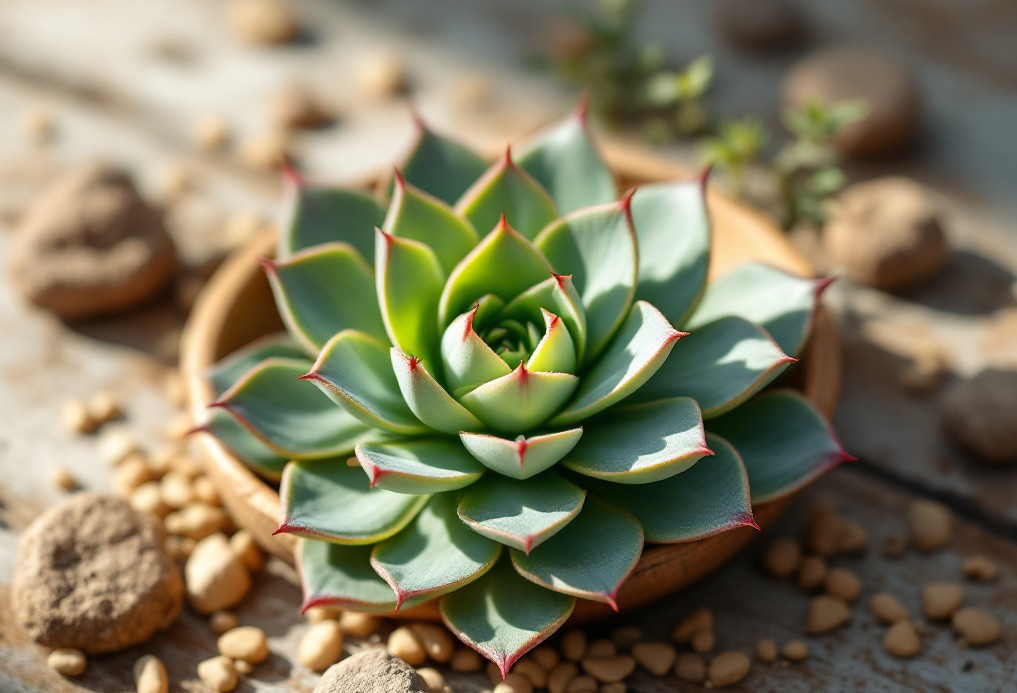
Watching leaves fall from your beloved succulent can be concerning for any plant enthusiast. While some leaf drop is natural during a succulent’s growth cycle, excessive falling leaves often indicate underlying issues that need attention. Understanding why your succulent is losing leaves is crucial for maintaining its health and preventing future problems.
Understanding Why Succulent Leaves Drop: Common Causes and Solutions
The most common reason for succulent leaf drop is improper watering, typically overwatering. When succulents receive too much water, their leaves become swollen and may begin falling off. Alternatively, underwatering can cause leaves to dry up and drop as the plant attempts to conserve resources. Environmental factors such as sudden temperature changes or insufficient light can also trigger leaf drop.
Poor soil drainage and high humidity levels create conditions that encourage root rot, leading to leaf drop. If you notice leaves falling accompanied by discolouration or a mushy texture, this could indicate a more serious issue requiring immediate attention. Root health directly impacts the plant’s ability to maintain healthy foliage.
Looking for Inspiration? Check Out Our Award Winning Succulent Collections
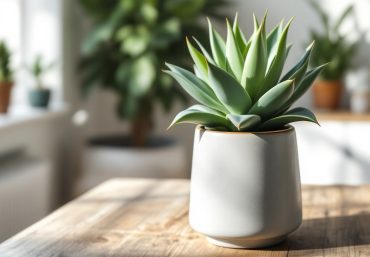
Essential Watering Guidelines for Healthy Succulents
Proper watering is fundamental to preventing leaf drop in succulents. These desert-adapted plants have evolved to survive in arid conditions and require specific watering techniques. The key is to water deeply but infrequently, allowing the soil to dry completely between waterings.
During winter months, succulents enter a period of dormancy and require even less water. A good rule of thumb is to reduce watering frequency by half during this time. The Royal Horticultural Society recommends checking soil moisture levels by inserting your finger about an inch into the soil – if it feels dry at this depth, it’s time to water.
Data-Driven Succulent Care: Optimal Conditions for Growth
Here’s a comprehensive guide to ideal growing conditions for common succulent varieties:
| Condition Factor | Optimal Range | Warning Signs of Stress |
|---|---|---|
| Soil Moisture | 20-30% | Leaf drop, wilting |
| Light Exposure | 6-8 hours daily | Elongated growth, pale leaves |
| Temperature | 18-24°C | Leaf discolouration, dropping |
| Humidity | 40-50% | Rot, fungal growth |
| Soil pH | 6.0-6.5 | Stunted growth, nutrient deficiency |
Looking for Rare Succulent? Check Out Our Stunning Succulent Collections
Natural Recovery: How Succulent Leaves Regenerate
When succulents lose leaves, they often have the remarkable ability to regenerate new growth. This process requires patience and proper care conditions. According to the Department for Environment, Food and Rural Affairs (DEFRA) guidelines on plant health, maintaining optimal growing conditions is crucial for successful leaf regeneration.
The UK government’s Natural England organisation provides valuable insights into native succulent species and their regeneration patterns. Understanding these natural growth cycles can help you better care for your indoor succulent varieties. Visit their succulent conservation guide for detailed information about plant recovery processes.
Concluding Guidance: Preventing Succulent Leaf Drop
Successfully preventing succulent leaf drop requires a balanced approach to care and maintenance. By understanding your plant’s specific needs and maintaining consistent care routines, you can significantly reduce the likelihood of leaf drop issues. Remember that prevention is always better than cure when it comes to succulent health.
Environmental stability plays a crucial role in preventing leaf drop. Avoid placing your succulents in areas with frequent temperature fluctuations or direct drafts from heating and cooling systems. Maintaining steady conditions helps your plant establish healthy growth patterns and reduces stress-related leaf drop.
Creating the right growing environment, combined with proper watering techniques and adequate light exposure, forms the foundation of healthy succulent care. Here are the essential takeaways for preventing succulent leaf drop:
- Focus on providing well-draining soil and containers with adequate drainage holes to prevent water accumulation around roots
- Establish a consistent watering schedule based on your specific succulent variety and environmental conditions
- Monitor light exposure and temperature stability to create optimal growing conditions that discourage leaf drop
Frequently Asked Questions About Succulent Leaf Drop
- Why do succulent leaves turn yellow before falling off? Yellowing leaves typically indicate overwatering or poor drainage conditions. The discolouration occurs when cells become oversaturated with water, leading to tissue breakdown and eventual leaf drop.
- Can stress cause succulent leaves to fall off? Environmental stress factors like sudden temperature changes or relocating the plant can trigger leaf drop as a defensive response. The plant redirects energy to essential growth points during periods of stress.
- How can I tell if my succulent is dropping leaves due to underwatering? Underwatered succulents typically show wrinkled, dry leaves that feel papery to the touch. The leaves may also appear shrivelled before falling off.
- Is it normal for bottom leaves to fall off succulents? Yes, it’s natural for older bottom leaves to gradually dry up and fall off as part of the plant’s normal growth cycle. This process allows the plant to redirect resources to new growth.
- Should I remove falling succulent leaves? Gently remove any leaves that are clearly dead or falling off to prevent potential fungal issues. Clean removal helps maintain plant health and appearance.
- How often should I fertilise a succulent that’s dropping leaves? Feed succulents with a balanced, water-soluble fertiliser once every 4-6 weeks during the growing season. Over-fertilisation can contribute to leaf drop.
- Can too much direct sunlight cause succulent leaves to fall? Excessive direct sunlight can cause leaf burn and subsequent leaf drop. Learn more about succulent light requirements on Wikipedia’s succulent plant page.
- What soil type best prevents succulent leaf drop? Fast-draining cactus or succulent-specific soil mixtures help prevent water retention issues that commonly lead to leaf drop. Check the RHS guidelines for recommended soil compositions.
- How do I know if my succulent is getting enough light? Healthy succulents maintain compact growth and vibrant colours. Insufficient light causes elongated growth and pale leaves that may eventually fall off.
- Can leaf drop indicate a pest problem? Yes, certain pests like mealybugs or spider mites can cause leaf damage and dropping. Regular inspection helps identify pest issues early.
- What temperature range prevents succulent leaf drop? Most succulents thrive in temperatures between 18-24°C. Extreme temperature fluctuations can trigger stress-related leaf drop.
- How deep should I plant a succulent to prevent leaf drop? Plant succulents at a depth where the lowest leaves sit just above the soil surface. Proper planting depth helps prevent stem rot and subsequent leaf drop.
- Can propagation help save a succulent losing leaves? Healthy fallen leaves can be used for propagation, creating new plants while the parent plant recovers. The process requires patience and proper care conditions.
- What signs indicate my succulent is recovering from leaf drop? New growth emerging from the centre or along the stems indicates recovery. Stabilised leaf retention and improved colour also suggest successful rehabilitation.