Zebra Haworthia Succulent – Your Complete Care Guide
8th May 2025 | Daniel Jackson | Haworthia | 6 mins
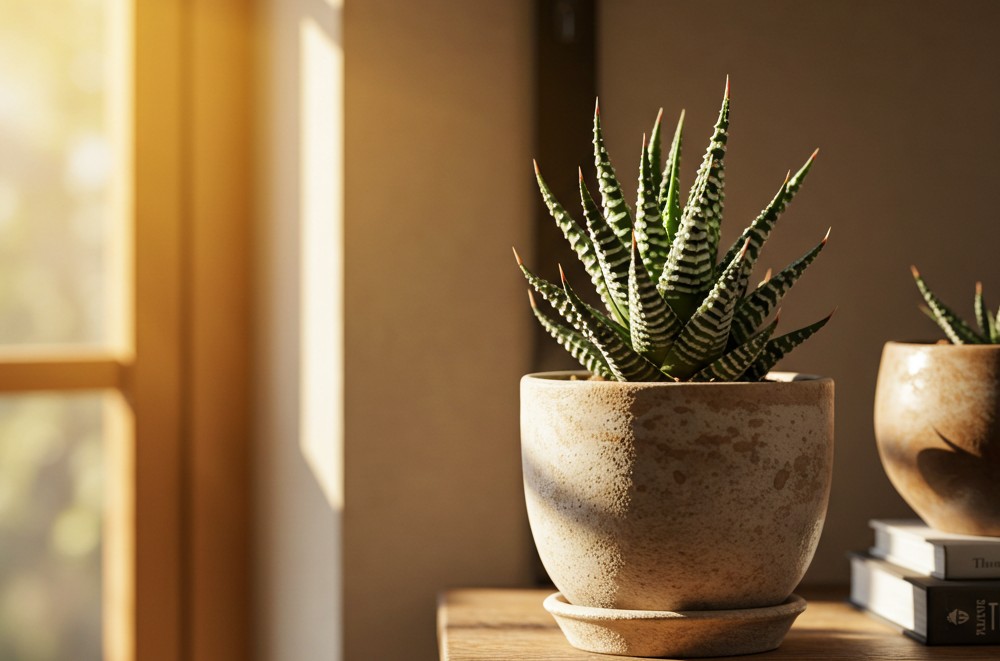
The Zebra Haworthia (Haworthiopsis fasciata) is one of the most striking and beginner-friendly succulents available to indoor gardeners. With its distinctive white striped leaves and compact growth habit, this South African native has become increasingly popular among houseplant enthusiasts. This comprehensive guide will walk you through everything you need to know about caring for these remarkable plants, from basic maintenance to advanced growing tips.
Your Zebra Haworthia Plant
The Zebra Plant, scientifically known as Haworthiopsis fasciata (formerly Haworthia fasciata), is a small succulent that rarely grows taller than 15 centimetres. Its distinctive appearance comes from the white tubercles (raised spots) that create striking horizontal stripes on the dark green leaves, giving it its common name. These slow-growing succulents form tight rosettes of thick, pointed leaves that grow upward rather than outward, making them perfect for windowsills and small spaces.
Native to the Eastern Cape Province of South Africa, these plants have evolved to thrive in semi-shaded conditions beneath larger plants, which influences their care requirements in cultivation. This natural habitat has made them particularly well-suited to indoor growing conditions, unlike many other succulents that demand full sun.
Looking for Haworthias? Check out our Award Winning Haworthia Collection
Light Requirements for Optimal Growth
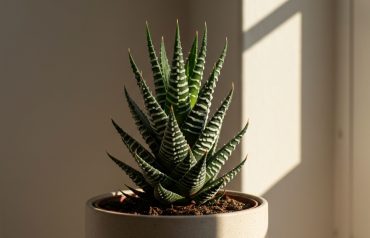
While many succulents require intense direct sunlight, Zebra Haworthias prefer bright indirect light, making them excellent indoor plants. Place your plant near an east or west-facing window where it will receive morning or late afternoon sun, but be protected from harsh midday rays. If placed in a south-facing window, ensure some protection is provided through sheer curtains or placement slightly back from the window.
Too much direct sunlight can cause leaf burn and stress to your plant, resulting in reddish or brown colouration of the leaves. Conversely, insufficient light will lead to elongated, weak growth and a loss of the plant’s compact form. Watch for signs of stretching or colour changes to determine if your plant needs to be moved to a different location.
Light Exposure Guide for Zebra Haworthia
| Light Condition | Duration | Plant Response | Recommended Location |
|---|---|---|---|
| Bright Indirect | 6-8 hours | Optimal Growth | East/West Window |
| Morning Direct | 2-3 hours | Good Growth | East Window |
| Afternoon Sun | 1-2 hours | Acceptable | West Window |
| Full Shade | All Day | Poor Growth | North Window |
Watering Your Zebra Haworthia Correctly
The key to successful Zebra Haworthia care lies in proper watering techniques. These succulents are drought-tolerant and prefer to dry out completely between waterings. During the growing season (spring and summer), water thoroughly when the soil has been completely dry for at least three days. In winter, reduce watering frequency significantly, sometimes going 2-3 weeks between waterings.
One of the most common mistakes in Zebra Haworthia care is overwatering. These plants have evolved to store water in their leaves and can survive extended periods without water. It’s always better to underwater than overwater, as excess moisture can lead to root rot and eventual plant death. Watch for signs of overwatering such as soft, mushy leaves or yellowing foliage.
Seasonal Watering Guide
| Season | Watering Frequency | Soil Condition | Special Notes |
|---|---|---|---|
| Spring | Every 10-14 days | Allow to dry | Monitor growth |
| Summer | Every 7-10 days | Allow to dry | Watch humidity |
| Autumn | Every 14-21 days | Nearly dry | Reduce slowly |
| Winter | Every 21-30 days | Mostly dry | Minimal water |
Soil and Potting Requirements
Zebra Haworthias require well-draining soil to thrive. A commercial cactus and succulent mix provides a good foundation, but you can enhance drainage by adding extra perlite or coarse sand. The ideal mix should contain roughly 50% organic material and 50% inorganic material to ensure proper water drainage while still retaining enough moisture for the roots.
When potting your Zebra Haworthia, choose a container with drainage holes that’s only slightly larger than the plant’s root system. These plants prefer to be somewhat root-bound and don’t require frequent repotting. A pot that’s too large can lead to excess moisture retention in the soil, potentially causing root rot.
Optimal Growing Conditions
| Factor | Ideal Range | Acceptable Range | Avoid |
|---|---|---|---|
| Temperature | 18-24°C | 10-29°C | Below 5°C |
| Humidity | 40-50% | 30-60% | Above 70% |
| Soil pH | 6.0-7.0 | 5.5-7.5 | Below 5.0 |
| Pot Size | 5-10 cm | Up to 15 cm | Over 15 cm |
Looking for Specialist Haworthias? Check out our Rare Haworthia Collection
Common Problems and Solutions
While Zebra Haworthias are generally hardy plants, they can experience various issues that affect their health and appearance. Brown leaf tips often indicate either too much direct sunlight or insufficient water. If the leaves become soft and mushy, this is typically a sign of overwatering. Conversely, if leaves begin to wrinkle and appear deflated, the plant likely needs more water.
Root rot is perhaps the most serious issue these plants face and is usually caused by overwatering or poor drainage. If you notice any black or mushy roots when repotting, trim them off with clean, sharp scissors and allow the plant to dry out completely before repotting in fresh, well-draining soil. Always err on the side of underwatering, as these plants can recover more easily from drought than from excess moisture.
For more detailed information about succulent plant care and regulations in the UK, visit the RHS Plant Health Information page and the DEFRA Plant Health Portal.
Growing Success with Your Zebra Haworthia
Achieving success with your Zebra Haworthia involves understanding and implementing the key aspects of care we’ve discussed. Remember that these plants are naturally adapted to survive in challenging conditions, so avoid the temptation to overcare for them. Focus on providing bright indirect light, well-draining soil, and careful watering practices.
Monitor your plant regularly for signs of stress or changes in appearance, as these can be early indicators of care adjustments needed. With proper attention to these basic requirements, your Zebra Haworthia can thrive and become a long-lasting addition to your indoor garden collection.
The key to growing a healthy Zebra Haworthia comes down to three essential factors:
- Providing appropriate light conditions with bright indirect light rather than intense direct sun
- Following a proper watering schedule based on seasonal needs and soil moisture levels
- Using well-draining soil and appropriate pot sizing to prevent root problems
Our Most Popular Succulents
-

Ottershaw Cacti Succulent Fertiliser – Everything succulents need to flourish
£7.50Ottershaw Cacti Succulent Fertiliser - Give your plants everything they need to flourish.
Buy Now -
Aeonium ‘Jubilee’ – Award Winning Succulent Plant
£10.00Launched May 2022 at RHS Chelsea Flower Show. This lollipop-shaped plant with glorious copper...
Buy Now -
Aeonium Arboreum ‘Luteovariegatum’- Tall Succulent AKA ‘Variegatum’
£10.00Awarded AGM. Variegated tall upright, freely branching Aeonium.
Buy Now -
Aeonium ‘Toffee Apple’ – Ottershaw Hybrid Succulent
£10.00A Striking compact Aeonium filled with light purple coloured medium heads with vibrant green...
Buy Now -
Aeonium ‘Zwartkop’ – Black Rose / Bold, Dark Succulent
£8.50Awarded AGM. Popular tall growing, single headed, dark leaved Aeonium
Buy Now -
Aeonium ‘Kiwi’ – Beautiful Blush-tipped Aeonium AKA ‘Dream Color’
£8.50Recently awarded AGM. A delightful hard leaved variegated bush forming Aeonium, with variegated yellow,...
Buy Now -
Aeonium ‘Pink Witch’ – Vibrant Pink House-Leek
£25.00Aeonium 'Pink Witch' has fantastic PINK colouring which she keeps all year round. Rare...
Buy Now -
Aeonium ‘Black Velvet’ – Intensely Dark
£10.00Intensely dark and matt headed Aeonium. Leaves are short and heads compact with fewer...
Buy Now -
Aeonium ‘Colossus’ – Oversized Dark Rosette
£10.00It grows BIG! Each Aeonium heads can grow 35cm+ when potted on and fed....
Buy Now -
Aeonium ‘Nights Watch’ – Award winning Succulent
£10.00Award winning, upright growing, compact, dark leaved plant that forms an unusual pyramid shape.
Buy Now


Zebra Haworthia Succulent Care: Frequently Asked Questions
- What makes Zebra Haworthia different from other succulents? Zebra Haworthia is distinguished by its striking white horizontal stripes and compact growth habit. Unlike many succulents, it prefers indirect light and can thrive in indoor conditions with minimal care.
- How often should I water my Zebra Haworthia? Water your Zebra Haworthia every 7-14 days during the growing season, allowing the soil to dry completely between waterings. Reduce watering to every 3-4 weeks during winter dormancy.
- Why are my Zebra Haworthia’s leaves turning brown? Brown leaves typically indicate either too much direct sunlight or insufficient water. Move the plant to a location with bright indirect light and adjust your watering schedule accordingly.
- Can Zebra Haworthia grow outdoors in the UK? Zebra Haworthia can only grow outdoors in the UK during summer months when temperatures consistently remain above 10°C. For more information about growing succulents in the UK climate, visit RHS Succulents Guide.
- How do I propagate my Zebra Haworthia? Zebra Haworthia can be propagated through offsets (pups) that grow from the base of the parent plant. Simply separate these when they have developed their own roots.
- What type of pot is best for Zebra Haworthia? Choose a pot with drainage holes that’s only slightly larger than the plant’s root system. Terra cotta pots are ideal as they allow excess moisture to evaporate.
- How can I tell if my Zebra Haworthia is healthy? A healthy Zebra Haworthia has firm, dark green leaves with distinct white stripes and maintains a compact rosette form. Learn more about Haworthia species at Wikipedia’s Haworthia Guide.
- Should I fertilize my Zebra Haworthia? Feed your Zebra Haworthia with a diluted succulent fertilizer once during spring and once during summer. Avoid fertilizing during autumn and winter.
- How long does a Zebra Haworthia typically live? With proper care, a Zebra Haworthia can live for several decades, often producing offsets that can be propagated into new plants.
- What are signs of overwatering in Zebra Haworthia? Signs of overwatering include yellowing leaves, soft or mushy texture, and leaves falling off easily when touched.
- Can Zebra Haworthia flower indoors? Yes, mature Zebra Haworthia plants can produce small white flowers on tall stems, typically in spring or summer under optimal conditions.
- How do I prevent pest problems in my Zebra Haworthia? Regularly inspect your plant for signs of pests and maintain good air circulation. Avoid overwatering and remove any dead leaves promptly.
- What temperature range is ideal for Zebra Haworthia? Zebra Haworthia thrives in temperatures between 18-24°C but can tolerate a range from 10-29°C.
- How often should I repot my Zebra Haworthia? Repot your Zebra Haworthia every 2-3 years or when it has completely outgrown its current pot. These plants prefer to be slightly root-bound.