How do you take care of a Crassula?
16th Jul 2025 | Daniel Jackson | Crassula | 6 mins

Crassula plants have become increasingly popular amongst UK houseplant enthusiasts, and for good reason. These resilient succulents offer stunning architectural forms, require minimal maintenance, and adapt remarkably well to British indoor conditions.
Understanding proper Crassula care transforms these South African natives from occasional casualties into thriving, long-term companions. Whether you’re nurturing a classic Jade Plant (Crassula ovata) or exploring more exotic varieties, mastering their fundamental needs ensures years of healthy growth and occasional flowering displays.
How Often Should You Water a Crassula Plant?
Watering frequency represents the most critical aspect of Crassula care, with overwatering being the primary cause of plant failure amongst UK growers. During the growing season (spring through early autumn), water your Crassula when the top inch of soil feels completely dry, typically every 7-10 days depending on your home’s humidity and temperature.
Winter watering requires significant adjustment, as Crassula plants enter dormancy and dramatically reduce their water uptake. Reduce watering to every 2-3 weeks during winter months, allowing the soil to dry out almost completely between waterings to prevent root rot in cooler conditions.
| Season | Watering Frequency | Soil Moisture Level |
|---|---|---|
| Spring/Summer | Every 7-10 days | Top inch dry |
| Autumn | Every 10-14 days | Top 2 inches dry |
| Winter | Every 2-3 weeks | Almost completely dry |
Looking for CrassulasInspiration? Check Out Our Award Winning Crassulas Collections

How to Take Care of a Crassula Plant Indoors
Indoor Crassula care centres around replicating their natural habitat conditions within your home environment. Position your plant near a south-facing window where it receives bright, indirect light for most of the day, avoiding harsh afternoon sun that can scorch the leaves through glass.
Temperature consistency proves crucial for indoor success, with Crassula plants thriving in temperatures between 18-24°C during active growth periods. Ensure adequate air circulation around your plant whilst protecting it from cold draughts, particularly during winter when UK homes experience significant temperature fluctuations near windows and doors.
Where Should I Put My Crassula Plant in My House?
Selecting the optimal location for your Crassula determines its long-term health and growth potential. South-facing windowsills provide ideal conditions, offering bright morning light that gradually intensifies throughout the day without becoming overwhelming in the UK’s moderate climate.
Alternatively, east-facing windows work exceptionally well, providing gentle morning sun followed by bright, indirect light for the remainder of the day. Avoid placing Crassula plants in north-facing windows or dark corners, as insufficient light leads to etiolation (stretching) and weakened growth that compromises the plant’s characteristic compact form.
Does Crassula Need Full Sun?
Crassula plants require bright light but not necessarily full sun, particularly when grown indoors in the UK. Direct sunlight through windows can be too intense, causing leaf burn and stress, especially during summer months when the sun’s rays are magnified through glass.
Outdoor Crassula plants can tolerate full sun in the UK’s temperate climate, but they benefit from some afternoon shade during the hottest summer days. The key lies in providing consistent, bright light rather than intense direct sun, which allows the plant to maintain its compact growth habit whilst avoiding heat stress.
| Light Condition | Indoor Suitability | Outdoor Suitability |
|---|---|---|
| Direct morning sun | Excellent | Excellent |
| Bright indirect light | Ideal | Good |
| Full afternoon sun | Too intense | Acceptable with shade |
| Low light | Poor growth | Not suitable |
Essential Crassula Care for UK Households
Successful Crassula cultivation in UK homes requires attention to several fundamental principles that ensure robust plant health. The RHS provides comprehensive guidance on houseplant care, including specific recommendations for succulent species like Crassula that adapt well to British indoor conditions.
Soil selection proves absolutely critical, with standard potting compost being far too moisture-retentive for these drought-adapted plants. Create a well-draining mixture by combining equal parts quality potting compost with perlite or coarse sand, ensuring excess water can escape quickly to prevent root rot.
Fertilisation requirements remain minimal, with Crassula plants preferring lean conditions that encourage compact growth. Apply a diluted liquid fertiliser once monthly during the growing season, using a balanced feed at quarter strength to avoid overstimulating soft, weak growth that becomes susceptible to pests and diseases.
Looking for Unique Crassulas? Check Out Our Stunning Crassulas Collections
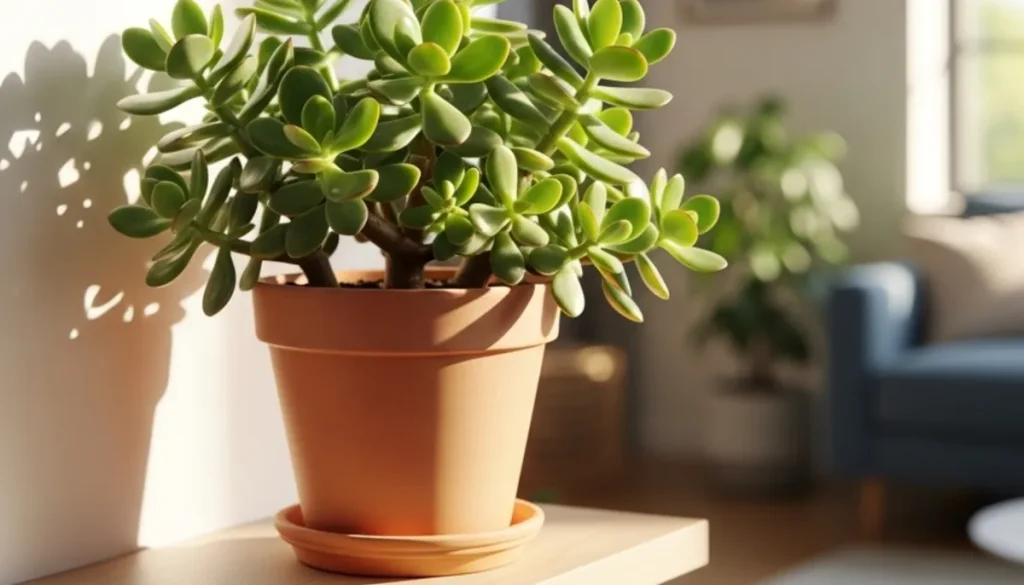
Your Complete Guide to Thriving Crassula Care
Mastering Crassula care combines understanding their natural requirements with adapting to UK indoor conditions effectively. These remarkable succulents reward patient, observant gardeners with years of architectural beauty and minimal maintenance requirements.
Remember that Crassula plants prefer slight neglect over excessive attention, thriving when their basic needs are met consistently rather than being fussed over constantly. Monitor your plant’s response to your care routine, adjusting watering and positioning based on seasonal changes and your home’s unique microclimate.
Success with Crassula plants builds confidence for exploring other succulent varieties, creating opportunities to develop a diverse collection of these fascinating plants. The UK Government’s guidance on plant health provides additional resources for maintaining healthy houseplant collections whilst preventing pest and disease issues.
Key points for successful Crassula care:
- Water sparingly: Allow soil to dry completely between waterings, reducing frequency significantly during winter months
- Provide bright, indirect light: Position near south or east-facing windows whilst protecting from harsh direct sun
- Use well-draining soil: Mix standard compost with perlite or sand to prevent waterlogging and root rot
Our Most Popular Cacti and Succulents
-

Ottershaw Cacti Succulent Fertiliser – Everything succulents need to flourish
£7.50Ottershaw Cacti Succulent Fertiliser - Give your plants everything they need to flourish.
Buy Now -
Aeonium ‘Jubilee’ – Award Winning Succulent Plant
£10.00Launched May 2022 at RHS Chelsea Flower Show. This lollipop-shaped plant with glorious copper...
Buy Now -
Aeonium Arboreum ‘Luteovariegatum’- Tall Succulent AKA ‘Variegatum’
£10.00Awarded AGM. Variegated tall upright, freely branching Aeonium.
Buy Now -
Aeonium ‘Toffee Apple’ – Ottershaw Hybrid Succulent
£10.00A Striking compact Aeonium filled with light purple coloured medium heads with vibrant green...
Buy Now -
Aeonium ‘Zwartkop’ – Black Rose / Bold, Dark Succulent
£8.50Awarded AGM. Popular tall growing, single headed, dark leaved Aeonium
Buy Now -
Aeonium ‘Kiwi’ – Beautiful Blush-tipped Aeonium AKA ‘Dream Color’
£8.50Recently awarded AGM. A delightful hard leaved variegated bush forming Aeonium, with variegated yellow,...
Buy Now -
Aeonium ‘Pink Witch’ – Vibrant Pink House-Leek
£25.00Aeonium 'Pink Witch' has fantastic PINK colouring which she keeps all year round. Rare...
Buy Now -
Aeonium ‘Black Velvet’ – Intensely Dark
£10.00Intensely dark and matt headed Aeonium. Leaves are short and heads compact with fewer...
Buy Now -
Aeonium ‘Colossus’ – Oversized Dark Rosette
£10.00It grows BIG! Each Aeonium heads can grow 35cm+ when potted on and fed....
Buy Now -
Aeonium ‘Nights Watch’ – Award winning Succulent
£10.00Award winning, upright growing, compact, dark leaved plant that forms an unusual pyramid shape.
Buy Now


How Do You Take Care of a Crassula: Frequently Asked Questions
What type of soil is best for Crassula plants? Crassula plants require well-draining soil that prevents water from sitting around the roots. Mix equal parts quality potting compost with perlite, coarse sand, or specialized succulent compost to create optimal growing conditions.
How do I know if my Crassula is getting too much water? Overwatered Crassula plants develop soft, yellowing leaves that may become translucent or mushy. The plant may also show signs of root rot, with a musty smell from the soil and leaves that fall off easily when touched.
Can Crassula plants survive UK winters outdoors? Most Crassula varieties are not frost-hardy and must be brought indoors during UK winters. Only extremely hardy varieties like Crassula sarcocaulis can survive mild UK winters with protection, whilst most species require temperatures above 5°C.
Why are my Crassula leaves falling off? Leaf drop in Crassula plants typically indicates watering issues, either too much or too little water. Stress from sudden temperature changes, insufficient light, or root bound conditions can also cause healthy leaves to fall prematurely.
How often should I repot my Crassula? Repot Crassula plants every 2-3 years or when they become root bound in their current container. Choose a pot only slightly larger than the previous one, as Crassula plants prefer snug conditions that prevent soil from staying wet too long.
What pests commonly affect Crassula plants? Mealybugs and scale insects are the most common pests affecting Crassula plants in UK homes. These pests appear as white, cotton-like clusters or small brown bumps on leaves and stems, requiring prompt treatment with insecticidal soap or systemic insecticides.
Can I propagate Crassula plants easily? Crassula plants propagate readily from leaf cuttings or stem cuttings placed in well-draining soil. Allow cut surfaces to dry for 24-48 hours before planting, then keep barely moist until roots develop over 2-4 weeks.
Do Crassula plants flower indoors? Mature Crassula plants can flower indoors when provided with optimal care and slight winter dormancy. According to Wikipedia, flowering typically occurs in response to cooler temperatures and reduced watering during winter months.
What temperature range do Crassula plants prefer? Crassula plants thrive in temperatures between 18-24°C during active growth periods in spring and summer. They tolerate cooler temperatures down to 10°C during winter dormancy but suffer damage below 5°C.
Should I mist my Crassula plant? Never mist Crassula plants, as these succulents prefer dry air conditions similar to their native habitat. Misting can lead to fungal problems and doesn’t provide any beneficial humidity for these drought-adapted plants.
How much light do Crassula plants need daily? Crassula plants require at least 6 hours of bright, indirect light daily to maintain healthy growth and compact form. Insufficient light causes etiolation (stretching) and weak growth that compromises the plant’s natural architecture.
What are the signs of a healthy Crassula plant? Healthy Crassula plants display thick, firm leaves with vibrant colouration and compact growth habits. The UK Government’s plant health guidance emphasises observing plants regularly for early detection of any health issues.
Why is my Crassula plant stretching tall? Stretching (etiolation) in Crassula plants indicates insufficient light, causing the plant to reach towards available light sources. Move your plant to a brighter location and consider pruning stretched growth to encourage compact, bushy development.
Can I grow Crassula plants in terrariums? Crassula plants are unsuitable for closed terrariums due to their need for good air circulation and well-draining conditions. Open terrariums or shallow dishes work better, provided they have adequate drainage holes and appropriate succulent soil mixture.