Which succulents flower, and when?
13th Oct 2026 | Daniel Jackson | Cactus | 6 mins
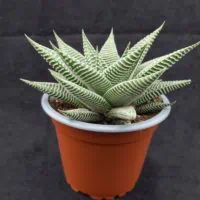
Yes, succulents do flower, and most healthy, mature plants will bloom at some point, usually between spring and autumn depending on the species. Exactly when a particular plant blooms depends on its genus, its age, and how closely its growing conditions match its natural habitat.
Do Any Succulents Grow Flowers?
Every succulent is capable of flowering, though not every one will do so in a typical UK home or greenhouse. Popular genera such as Echeveria, Sedum, Crassula, Haworthia, and Sempervivum all produce flowers naturally, and it is largely a myth that succulents are grown purely for their foliage.
That said, container-grown plants sometimes never bloom simply because they haven’t reached maturity or aren’t receiving quite enough light. Most succulents take between four and six years to flower for the first time, so patience is often the real ingredient missing from a windowsill collection.
Looking for Cacti Inspiration? Check Out Our Award Winning Cacti Collections

What Time of Year Do Succulents Flower?
There isn’t a single flowering season that applies to every succulent, because bloom time is tied closely to each plant’s native climate and day length. Broadly speaking, though, most varieties flower during spring and summer, when longer daylight hours and warmer temperatures signal to the plant that conditions are right for reproduction.
Some genera break that pattern entirely. Jade plants, kalanchoe, and certain hoya varieties typically bloom in autumn or winter instead, which makes them useful if you want colour in your collection outside the usual growing season. Sempervivum and aeonium are worth a special mention here: these are monocarpic, meaning the rosette flowers once and then dies, though it usually leaves behind offsets that carry the plant on.
What Are the Best Flowering Succulents?
If you want reliable, attractive blooms rather than a rare surprise, a handful of genera consistently outperform the rest. Echeveria produces neat clusters of bell-shaped flowers on arching stems, often in shades of coral, yellow, or pink, and tends to bloom from late spring into early summer.
The table below sets out some of the most popular choices and what to expect from each.
| Succulent | Typical flowering season | Flower colour |
|---|---|---|
| Echeveria | Late spring to early summer | Coral, pink, yellow |
| Sedum (stonecrop) | Summer to early autumn | Yellow, pink, white |
| Kalanchoe | Winter to early spring | Red, orange, yellow, pink |
| Crassula (jade plant) | Winter | White, pale pink |
| Sempervivum (houseleek) | Summer (once, then dies) | Pink, purple |
| Aloe | Summer | Orange, red, yellow |
Sedum, sometimes still sold under its older name stonecrop, is another dependable performer and is widely used in UK gravel gardens for exactly this reason. Kalanchoe, meanwhile, is one of the few succulents bred specifically for its flowers, and garden centres often sell it already in bloom.
Do Succulents Prefer Full Sun or Shade?
Light is the single biggest trigger for flowering, so the honest answer is that most succulents prefer as much bright light as they can comfortably tolerate. Many species are photoperiodic, which means they respond to day length rather than temperature alone, so mimicking a plant’s natural light cycle matters more than simply moving it somewhere sunnier at random.
Full sun suits desert natives such as Echeveria, Sedum, and Sempervivum particularly well, ideally a south or west-facing spot in the UK. Forest-dwelling types like Haworthia and Christmas cactus are the exception, preferring bright but indirect light, since harsh direct sun can scorch their leaves rather than encourage blooms.
According to the Royal Horticultural Society, succulents grown indoors generally need the brightest position available, such as a south-facing windowsill, to flower reliably in the UK’s comparatively low light levels. If you’re buying plants or seeds from abroad to build up your collection, it’s also worth checking GOV.UK’s guidance on bringing plants into Great Britain, since certain species and countries of origin carry biosecurity restrictions.
Feeding also plays a supporting role once light is right. A phosphorus-leaning feed applied in spring, as the flower stalk begins to form, gives the plant the reserves it needs to push out a full bloom rather than abort the bud partway through. This ties in with wider pollinator-friendly gardening advice from Natural England, which encourages exactly this kind of flowering, nectar-rich planting in UK gardens and window boxes.
Looking for Unique Cacti? Check Out Our Stunning Cacti Collections

Which Succulents Flower and When: The Full Picture
So, which succulents flower, and when, really comes down to genus, age, and light. Most varieties bloom somewhere between spring and summer, a handful switch things up with autumn or winter flowers, and a small monocarpic group flowers only once in a dramatic final act.
None of this is complicated once you know what each plant is waiting for. Give a mature succulent strong, appropriate light, a light phosphorus feed in spring, and the patience to let it reach flowering age, and blooms tend to follow on their own timetable rather than yours.
The table below brings the light and watering side of things together in one place, since getting this right is what usually separates a succulent that flowers from one that just sits there looking green.
| Succulent type | Ideal light | Watering during bud/flower stage |
|---|---|---|
| Desert types (Echeveria, Sedum) | Full sun | Deep water as buds form, then let dry out |
| Forest types (Haworthia, Christmas cactus) | Bright, indirect light | Consistent light moisture |
| Monocarpic (Sempervivum, aeonium) | Full sun | Normal watering; no special feeding needed |
To sum up the key points:
- All succulents can flower, but most take four to six years to mature enough to do so
- Bloom timing varies by genus, with spring/summer the most common season and autumn/winter reserved for types like kalanchoe and jade
- Bright light, ideally full sun for desert varieties, is the strongest single factor in encouraging a plant to flower
Our Most Popular Succulents
-

Ottershaw Cacti Succulent Fertiliser – Everything succulents need to flourish
£7.50Ottershaw Cacti Succulent Fertiliser - Give your plants everything they need to flourish.
Buy Now -
Aeonium ‘Jubilee’ – Award Winning Succulent Plant
£10.00Launched May 2022 at RHS Chelsea Flower Show. This lollipop-shaped plant with glorious copper...
Buy Now -
Aeonium arboreum ‘Luteovariegatum’- Tall Succulent AKA ‘Variegatum’
£10.00Awarded AGM. Variegated tall upright, freely branching Aeonium.
Buy Now -
Aeonium ‘Toffee Apple’ – Ottershaw Hybrid Succulent
£10.00A Striking compact Aeonium filled with light purple coloured medium heads with vibrant green...
Buy Now -
Aeonium ‘Zwartkop’ – Black Rose / Bold, Dark Succulent
£8.50Awarded AGM. Popular tall growing, single headed, dark leaved Aeonium
Buy Now -
Aeonium ‘Kiwi’ – Beautiful Blush-tipped Aeonium AKA ‘Dream Color’
£8.50Recently awarded AGM. A delightful hard leaved variegated bush forming Aeonium, with variegated yellow,...
Buy Now -
Aeonium ‘Pink Witch’ – Vibrant Pink House-Leek
£25.00Aeonium 'Pink Witch' has fantastic PINK colouring which she keeps all year round. Rare...
Buy Now -
Aeonium ‘Black Velvet’ – Intensely Dark
£10.00Intensely dark and matt headed Aeonium. Leaves are short and heads compact with fewer...
Buy Now -
Aeonium ‘Colossus’ – Oversized Dark Rosette
£10.00It grows BIG! Each Aeonium heads can grow 35cm+ when potted on and fed....
Buy Now -
Aeonium ‘Nights Watch’ – Award winning Succulent
£10.00Award winning, upright growing, compact, dark leaved plant that forms an unusual pyramid shape.
Buy Now


Which Succulents Flower, and When: Frequently Asked Questions
1. Do all succulents flower eventually?
Every succulent species is biologically capable of flowering, though container-grown plants sometimes never reach maturity indoors. Most need four to six years of good care before their first bloom appears.
2. What time of year do succulents flower?
Most succulents flower between spring and summer, though kalanchoe, jade plants, and some hoya varieties bloom in autumn or winter instead. The exact timing depends on the plant’s native climate and the day length it experiences.
3. Why hasn’t my succulent ever flowered?
The most common reason is insufficient light, since many succulents need very bright conditions to trigger blooming. Age is another factor, as some species simply haven’t reached flowering maturity yet.
4. Do succulents need direct sunlight to bloom?
Desert-type succulents such as Echeveria and Sedum generally need full, direct sun to flower reliably. Forest types like Haworthia prefer bright but indirect light instead, as harsh sun can scorch rather than encourage them.
5. What are the easiest flowering succulents to grow?
Sedum and Echeveria are both considered reliable and low-maintenance flowering succulents for UK gardens and windowsills. Kalanchoe is another good option, as many are sold already in bloom from garden centres.
6. Do succulents flower more than once?
Most succulents, including Echeveria, Sedum, and kalanchoe, will flower repeatedly year after year once mature. Monocarpic types such as sempervivum and aeonium are the exception, flowering only once before dying.
7. What does it mean if a succulent is monocarpic?
A monocarpic succulent, as explained on Wikipedia, is one that flowers a single time and then dies, having used all its stored energy on that bloom. Fortunately, most produce offsets or “babies” beforehand, so the plant’s line continues even after the parent dies.
8. Should I remove a succulent’s flower stalk?
Some growers cut off the flowering stalk early because it can attract aphids and draws significant energy from the plant. It’s optional rather than necessary, so it largely comes down to personal preference and whether you want to enjoy the bloom.
9. Do succulents need extra water when flowering?
A deep watering as the flower stalk begins to form can help support a fuller bloom, followed by allowing the soil to dry out again. Overwatering during this stage is a common mistake and can cause root problems rather than better flowers.
10. Can indoor succulents flower without a greenhouse?
Yes, many succulents flower happily indoors provided they get a very bright spot, ideally a south-facing windowsill in the UK. A greenhouse simply makes strong, consistent light easier to provide year-round.
11. Do succulents need feeding to encourage flowers?
A phosphorus-rich feed applied in spring, as buds begin to form, can help a succulent produce fuller, more vibrant blooms. Regular feeding isn’t essential for survival, but it does support better flowering in most cases.
12. Are succulent flowers scented?
Some are pleasantly fragrant, while a few, including certain stapeliads, deliberately smell unpleasant to attract fly pollinators. Most popular UK houseplant succulents like Echeveria and Sedum have little to no noticeable scent.
13. How long do succulent flowers last?
This varies considerably by species, with some blooms lasting just a few days and others persisting for several weeks on the plant. Deadheading spent flowers can sometimes encourage further blooming later in the same season.
14. Is it safe to buy flowering succulents from abroad?
It can be, but certain plants and countries carry biosecurity restrictions, so it’s worth checking GOV.UK’s plant import guidance before ordering. Buying from reputable UK nurseries avoids this issue entirely and reduces the risk of introducing pests or disease.